Treat Budapest like any major European capital: secure your belongings in crowds, check prices before you order, and don’t accept a ride or bar invitation just because someone approaches you on the street. A little planning makes the first visit much easier.
Quick answer
- Hungary is at U.S. State Department Level 1: Exercise Normal Precautions in 2026. Recheck the advisory before departure.
- Keep phones, wallets and passports secure on crowded transit, at major stations, in tourist areas and on international trains.
- Skip unsolicited taxi offers and bar invitations. Use a reputable taxi company or a recognized app such as Bolt, and choose nightlife venues yourself.
- Walking at night is generally reasonable in busy central areas; take a pre-booked ride for quiet or late-night routes.
- Buy transit tickets through official BKK channels, validate paper single tickets when required, and check bills and card-terminal amounts before paying.
Is Budapest Safe in 2026? The Main Risks to Know
What the U.S. travel advisory says
The U.S. Department of State lists Hungary at Level 1: Exercise Normal Precautions in its 2026 travel advisory. It describes the country as generally safe for travelers and identifies crimes of opportunity—including pickpocketing and purse snatching—as key concerns. Check the advisory again before you leave, since guidance can change.
That rating is a useful baseline, not a guarantee that nothing will happen. For most visitors, the sensible response is the same as in other large cities: keep valuables out of easy reach and be alert when someone distracts you, crowds you or pressures you to make a quick decision.
Where visitors should be especially alert
Crowded metro cars and trams, busy tourist areas, major railway stations and international trains are the places to pay closest attention. Keep your phone and wallet out of back pockets, zip your bag and hold it in front of you when a vehicle or queue gets packed. Keep luggage within reach on trains, especially on journeys involving Vienna, Bratislava or Prague.
This is ordinary city caution, not a warning to avoid central Budapest. Most visitors go about their days without trouble; there is no need to treat every street, taxi or business as suspicious.
Is Budapest Safe for Tourists and Americans?
What American visitors should prepare
Budapest is generally safe for tourists, including Americans. U.S. nationality does not protect you from opportunistic theft or an inflated bill, so the same practical precautions apply to everyone.
Before your trip, save the U.S. Embassy Budapest contact details and register important travel information through the State Department’s Smart Traveler Enrollment Program (STEP). Keep a secure digital or paper copy of your passport separate from the original; it can help if the original is lost or stolen.
Keep money and documents secure
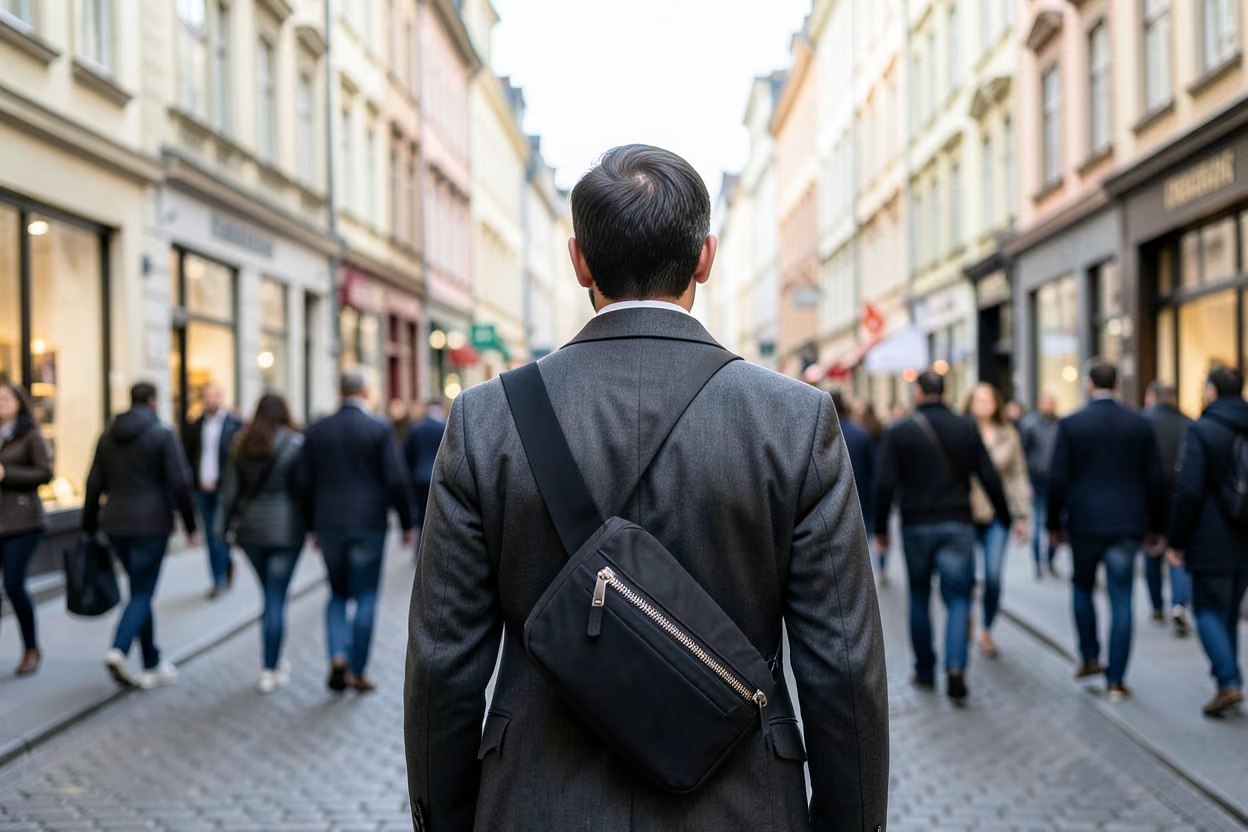
A zipped cross-body bag worn in front is useful on crowded transit and in busy pedestrian areas. Keep a backup payment method somewhere separate from your main wallet, and avoid displaying cash, passports or expensive phones unnecessarily.
Card payments are widely practical. Choose to pay in Hungarian forint (HUF), check the amount on the terminal before approving it, and decline dynamic currency conversion if the machine offers to charge you in dollars. A conversion into U.S. dollars may look convenient, but it can use a less favorable rate.
Is Budapest Safe at Night? Walking, Women, and Solo Travel
Walking at night in central Budapest
Walking at night is generally reasonable in busy central areas. Choose well-lit streets with people around, and use your judgment as you would at home. If a route takes you through a deserted park or a poorly lit side street, take a different way; for a late return through a quiet area, book a ride rather than walking alone.
Don’t get drawn into confrontations. If someone is persistent or a situation feels off, move toward a busy, open business or a well-populated street.
Solo women and meeting new people
Budapest is manageable for solo women using ordinary urban precautions. If you’re meeting someone new, choose a public place and share your live location with a friend if that helps you feel more comfortable. Don’t accept a drink or ride from a stranger, and leave if an invitation starts to feel pressured.
For solo travelers of any gender, one good rule is to return to a known venue or your accommodation if a plan changes in a way that makes you uncomfortable. You don’t owe a stranger a long explanation.
Choose your timing and route
Summer festivals, nightlife, Christmas markets and packed transit can create more opportunities for pickpockets. Keep your bag zipped in queues and crowded vehicles, when attention is naturally divided. Early spring and late autumn bring earlier darkness, so plan night walks on illuminated, populated routes.
Major events, demonstrations or matches can mean crowds, diversions or temporary street closures. If you see a crowd becoming tense, give it space and choose another route.
Budapest Scams First-Time Visitors Should Recognize
The nightlife bar scam and unsolicited invitations
A stranger—or someone presenting as a potential date—may strike up a friendly conversation and suggest a particular bar. The catch is that the venue may serve drinks at prices far above what you expected. This is a known risk in nightlife areas, including parts of the 7th District; it does not mean every bar there is dishonest.
Don’t follow unsolicited invitations to a bar you haven’t chosen yourself. Pick a venue independently, look at the menu before ordering and leave if staff or a companion pressures you to keep spending.
Unexplained restaurant, bar or taxi charges
Before ordering, look for displayed prices and check whether a service charge is listed. When the bill arrives, review it before paying; check the card terminal amount too. Keep the receipt and question anything you don’t recognize before settling up.
Some travelers report unexpectedly high food, drink or taxi charges, but that is not a reason to assume every business in a particular neighborhood is overcharging. Judge the specific menu, fare or bill in front of you.
Aggressive vendors, fake assistance and urgent payment demands
If an unsolicited vendor, apparent charity collector or street promoter is pushy, decline clearly and keep walking. Don’t stop in an isolated spot to negotiate, hand over your phone or wallet, sign something you don’t understand, or buy a transit ticket from a stranger offering help.
Be equally wary of urgent requests for money from people claiming to be officials, romantic contacts or someone facing an emergency. Don’t transfer funds or send identity documents to an unsolicited online contact. Claims about detention, hospitalization, military service, inheritance or urgent travel problems can be used to pressure people into a quick payment.
How to Get Around Safely: Taxis, Transit, Tickets, and the Airport
Avoid unlicensed street-hailed taxis, including Független offers
Don’t accept a ride from someone who approaches you with an unsolicited taxi offer, and don’t hail an unlicensed vehicle on the street. An unofficial driver may quote an inflated fare, manipulate a meter or take a longer route.
If someone approaches you offering a Független taxi, skip the offer and arrange your own ride. That is not a claim that every independent taxi is fraudulent: the practical distinction is to use a reputable company—such as Főtaxi, City Taxi or 6×6—or book through a recognized app such as Bolt. App booking also gives you a recorded trip and a fare estimate.
Use official public transport and ticket channels
Buy tickets or passes through the BudapestGO app or BKK machines, not from a stranger who says they can help. Paper single tickets must be validated when you board; inspectors fine passengers who travel with unvalidated tickets. Check the current ticket rules before your trip, especially if you’re using a pass or a special service.
If you’re unsure how a machine works, take a moment to read the instructions or use the app rather than handing cash to an informal seller.
Plan a safer airport transfer
Arrange an official transfer, use a reputable taxi company or book through a recognized ride-hailing app. Avoid drivers soliciting rides inside or outside the terminal. The 100E airport bus has a special fare, so check BKK’s official channels for the current fare and ticket details before boarding.
Protect belongings on trains and crowded transit
Keep a zipped bag in front of you in crowded vehicles, and don’t leave luggage unattended or out of sight. On local and international trains, keep phones, wallets and passports in secure pockets rather than on a seat or open luggage rack. Give your belongings extra attention on international routes to and from Budapest, including trains to Vienna, Bratislava and Prague.
What First-Timers Should Avoid: Váci Street, Street Stops, and Nightlife
Don’t stop to negotiate with persistent street approaches
If an aggressive vendor, apparent charity collector or unsolicited promoter stops you, decline and continue walking. Avoid stopping in an isolated place to negotiate. Never hand over your phone or wallet, sign a document you don’t understand, or buy transit tickets from an informal seller.
A firm “No, thank you” is enough. If the person keeps following or pressuring you, head toward a busy area rather than getting pulled into an argument.
Be selective about bars and invitations in the 7th District
Central nightlife areas, including the 7th District, are popular for a reason, but they can also attract unsolicited promoters and bar scams. Choose where to go yourself, check the menu and decide how you’ll get back before drinking.
The advice is not to avoid the district; it’s to skip a venue chosen by a stranger who approaches you on the street. Go with a place you’ve selected and leave if prices or pressure don’t feel right.
Use judgment when eating on Váci Street
Váci Street is convenient and can have tourist-oriented pricing, but that doesn’t make every restaurant there unsafe or dishonest. Compare displayed menus, confirm prices and service charges before ordering, and pick somewhere away from the busiest pedestrian stretch if you want a less tourist-focused meal.
What to Do If You Lose Something or Need Help
If your wallet, phone or passport is stolen
Report a theft to the police, then secure your payment accounts and devices as soon as you can. A saved passport copy can help you manage the next steps. If a U.S. passport is lost or stolen, contact the U.S. Embassy in Budapest; this is why it’s useful to save its details before departure.
Emergency contacts and a simple backup plan
Call 112 in an emergency in Hungary. Keep your accommodation details, an emergency contact and a backup payment method separate from your main wallet, so one loss doesn’t leave you without everything you need.
Frequently asked questions
Is Budapest safe to travel to in 2026?
Generally, yes. Hungary is listed at Level 1: Exercise Normal Precautions in the 2026 U.S. travel advisory. Take normal precautions against theft and overcharging, and check the advisory again before departure.
Is Budapest safe for tourists and Americans?
Yes. Budapest is generally safe for tourists, including Americans; the same precautions apply to everyone. Secure valuables, check bills and use licensed or app-booked transport.
Is Budapest safe to walk at night?
Walking is generally reasonable in busy central areas. Stick to well-lit, populated streets, avoid deserted parks and poorly lit side streets, and use a pre-booked ride for a quiet late-night route.
Is Budapest safe for women traveling alone?
Women can visit using ordinary urban precautions. Meet new contacts in public, share your location if useful, don’t accept drinks or rides from strangers, and leave if you feel pressured.
What are the most common Budapest scams?
The main risks to watch for are pickpocketing, unofficial taxi overcharging, unexplained restaurant or bar charges, and nightlife invitations to venues with unexpectedly high prices. Don’t follow a stranger to a bar they’ve chosen for you.
Should I avoid independent taxis or every restaurant on Váci Street?
Avoid unlicensed street-hailed taxis and unsolicited driver offers, but don’t assume every independent taxi is fraudulent. Váci Street can have tourist-oriented prices, so check the menu and bill rather than treating every restaurant there as unsafe.
What should I do if a stranger or vendor stops me on the street?
If the approach feels aggressive or unsolicited, decline clearly and keep walking. Don’t stop to negotiate somewhere isolated, hand over valuables, sign anything you don’t understand or buy transit tickets from informal sellers.
Budapest is generally safe, and first-timers can lower the main risks by securing valuables, checking prices and choosing official transport and venues for themselves. Use the same practical precautions you would in another major city, and check current official guidance before you travel.
Related guides
- Is Budapest Safe for Solo Female Travellers in
- Things to Do in Budapest
- Budapest 3 Day Itinerary
- Budapest travel guide
- Top attractions in Budapest