For a first Central Europe trip, plan at least three full sightseeing days in each. If you’re adding Vienna, a practical starting split is three days in Prague, two in Vienna and three in Budapest, with train journeys scheduled separately.
Quick answer
- Pick Prague for a concentrated historic center, Gothic and Baroque architecture, Prague Castle and classic beer culture.
- Pick Budapest for thermal baths, views along the Danube, ruin bars and a bigger city with sights spread across Buda and Pest.
- Allow at least three full sightseeing days per city. For Prague and Budapest together, plan six or seven nights rather than a rushed overnight stop.
- For Prague, Vienna and Budapest, start with a 3–2–3 split and add travel time on top.
- May, early June, September and early October are generally good bets for comfortable sightseeing and fewer crowds than midsummer.
Prague vs Budapest: Which city suits your travel style?
Choose Prague for a compact historic city break
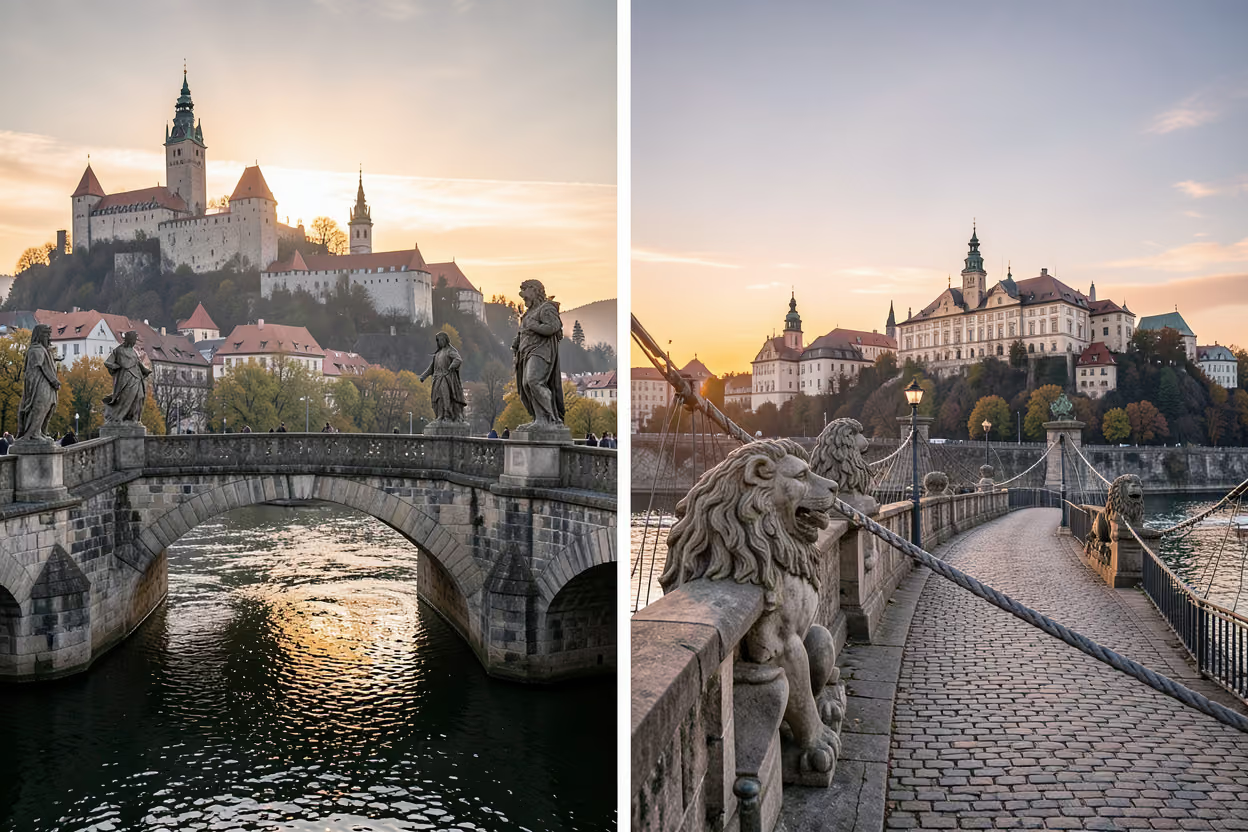
Prague is the easier city to cover on foot. Old Town, Josefov, Charles Bridge, Malá Strana and Prague Castle form a fairly concentrated sightseeing area, so you can link major landmarks without spending half the day crossing town. Its architecture is the main event: medieval lanes, Gothic spires and Baroque façades are part of the everyday streetscape, not just a few isolated sights.
A long walking day works well here, though the Castle District is uphill and security screening can take time. Go to Charles Bridge early in the morning, before the busiest tour groups arrive, then cross toward Malá Strana and make your way uphill to the castle. If you prefer a gentler climb, use public transport to reach the Castle District and walk downhill.
Choose Budapest for baths, river views and nightlife
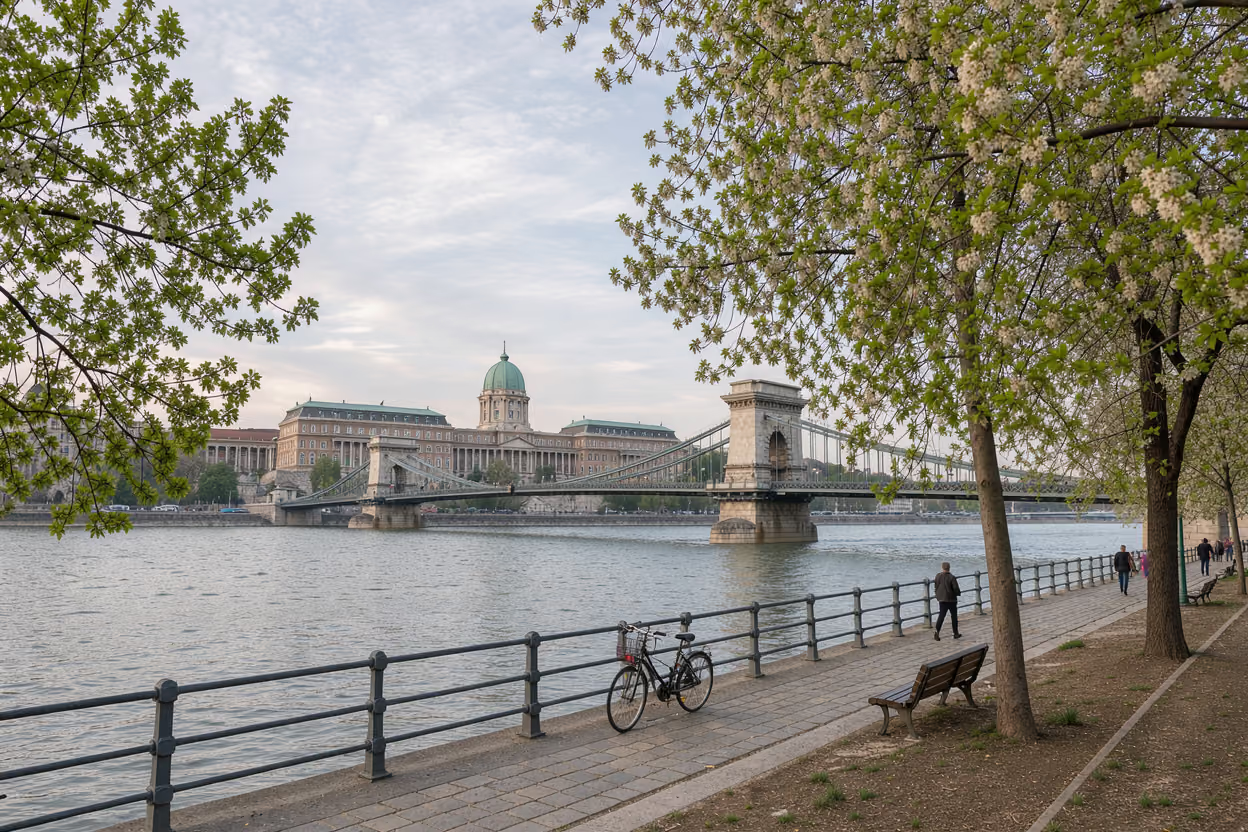
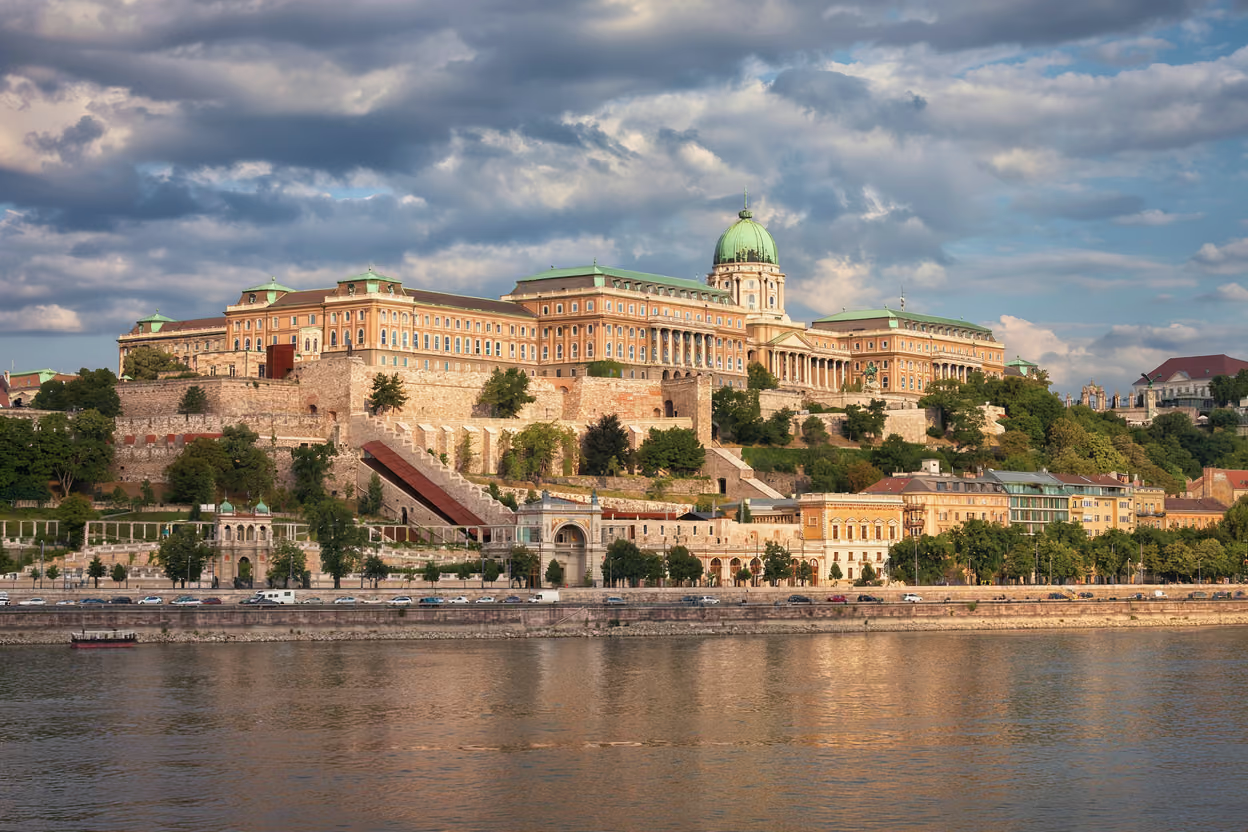
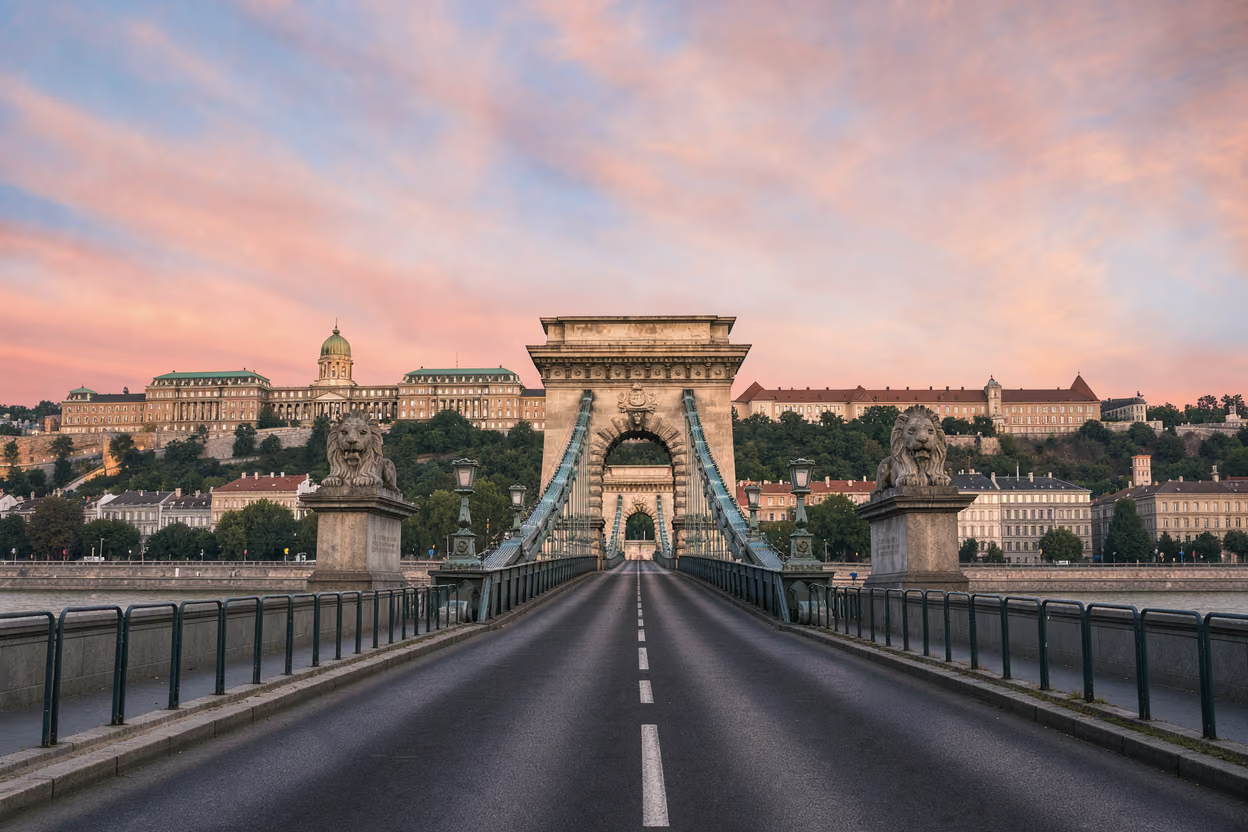
Budapest feels larger and more varied. The Danube divides Buda’s hills and Castle District from Pest’s broad avenues, historic cafés, nightlife and central neighborhoods. The riverfront is especially atmospheric after dark, when the bridges and landmark buildings are lit. Thermal baths and ruin bars add experiences that Prague doesn’t quite match.
The trade-off is distance. Budapest’s sights are more spread out, so don’t plan to walk every connection. Use BKK metro, tram, bus and trolleybus services to save your feet for the Castle District, riverside promenades and bath visits. Many repeat visitors like Budapest for the combination of bathing, nightlife and generally lower daily costs; Prague tends to win when the priority is an exceptionally walkable historic core.
One important bath detail: Gellért Thermal Bath is closed for a full renovation and is expected to remain closed until 2028. For a bath visit, look at Rudas, Széchenyi, Lukács, Veli Bej or Király instead. Bring swimwear and check whether you’ll need to bring or rent a towel; facilities and rental policies differ.
A quick decision guide for couples, families and first-time visitors
Choose according to what you want your days to feel like:
- Architecture and easy walking: Prague.
- Bathing, nightlife and river panoramas: Budapest.
- A first trip with both cities: Split your time rather than trying to crown a winner.
Couples who enjoy long walks and historic streets may prefer Prague; those who want a bath visit and a late night may lean toward Budapest. Families can enjoy either, but Budapest’s transit network is useful for cutting down on walking between spread-out sights. If you visit both, give each enough time to settle in. A one-night hotel stop usually means packing and checking in at the expense of the city itself.
Prague vs Budapest: Compare sights, costs and daily logistics
The headline sights and how to group them
In Prague, organize your sightseeing by area rather than crossing the center repeatedly. Combine Old Town and Josefov, then walk across Charles Bridge to Malá Strana and the Castle District. The bridge is a public crossing, but towers, churches, museums and other attractions have their own opening arrangements. Prague Castle is a larger complex than a single building: check which buildings your ticket covers and allow extra time for the uphill approach and security.
In Budapest, plan around the Danube and the two sides of the city. Keep the Castle District and its viewpoints together, and group Pest’s central streets, Parliament and riverfront separately where possible. The Parliament visitor center uses timed entry, so reserve ahead if it’s a priority. Save a riverfront walk for after dark rather than treating it as a daytime-only stop.
Typical daily budgets and local currencies
As broad 2026 guide estimates, a mid-range daily budget is about US$55–75 in Prague and US$45–70 in Budapest. These are not fixed prices: accommodation, season, meals and paid attractions can shift the total considerably. Hotels are often the biggest variable, so compare the location as well as the room price.
Prague uses Czech koruna (CZK); Budapest uses Hungarian forint (HUF). In Budapest, pay by card in HUF when offered a choice and decline dynamic currency conversion, which lets a shop or terminal set its own exchange rate. Keep a little local cash for small purchases or places that don’t take cards, and avoid unsolicited exchange offers.
Transport tickets and airport connections
Both cities have useful public transport; the main difference is that Prague is easier to explore on foot, while Budapest’s size makes transit more central to the plan.
| City or service | Reported 2026 fare | What to know |
|---|---|---|
| Prague 90-minute ticket | 46 CZK in the PID Lítačka app; 50 CZK on paper | Confirm current fares and ticket rules with PID. |
| Prague 72-hour ticket | 340 CZK | Check which ticket format and rules apply before buying. |
| Budapest single ticket | Around 500 HUF | Buy through BudapestGO or BKK machines and follow the ticket instructions. |
| Budapest 100E Airport Express | Around 2,500 HUF per passenger | It requires a special airport ticket; ordinary Budapest passes are not valid. |
In Budapest, paper single tickets must be validated on boarding. Inspectors fine passengers with unvalidated tickets, so don’t tuck one away and assume it’s ready to use. For airport transfers, use official transport channels or a reputable app, and confirm the fare before setting off. Avoid unmarked taxis and street touts.
Book timed-entry visits and check attraction conditions
Check current hours and ticket conditions before building a day around Prague Castle; its buildings have seasonal schedules, and the Main Circuit’s reported 2026 price is 450 CZK. For Parliament in Budapest, advance reservation is advisable because entry is timed and can be affected by parliamentary events or ceremonies. Popular baths and tours can also book up during summer, weekends and holidays.
When is the best time to visit Budapest and Prague?
Best months for comfortable sightseeing
The best time to visit Budapest and Prague is generally May, early June, September or early October. These periods usually combine mild sightseeing weather with fewer crowds than July and August. Spring and autumn are especially comfortable for walking Prague’s historic core and enjoying Budapest’s viewpoints, riverfront and baths without peak summer heat.
Summer, winter and holiday trade-offs
July and August bring longer daylight and plenty of outdoor activity, but also hotter conditions, heavier crowds at headline sights and higher demand for accommodation. If you travel then, book key stays and timed-entry visits early and start popular sightseeing in the morning.
Late November through December can bring festive Christmas markets, though dates and opening hours vary from year to year. January and February are usually quieter and can be cheaper, but expect colder weather and shorter daylight. Those months suit travelers who value a calmer city over long afternoons outdoors.
Check dates before booking
Before fixing your plans, check attraction calendars, bath schedules, market dates and rail timetables. Festivals, marathons, religious holidays and parliamentary ceremonies can affect access, hotel demand or opening schedules. For exact 2026 transport fares and rules, use the official PID and BKK information and the relevant rail operator.
How many days in Prague, Vienna and Budapest?
Minimum time for Prague and Budapest
Give each city at least three full sightseeing days. Four days in either one leaves more room for slower mornings, an extra neighborhood or a day trip. For a two-city trip, three or four nights in Prague and three or four nights in Budapest is a sensible starting point—six or seven nights total, with travel time planned separately.
Don’t count a train arrival day as a full sightseeing day if you’ll need to check in, find your bearings and get across town. And if you want a day trip, give it its own time rather than squeezing it into a two-day city stay.
A balanced first-time split with Vienna
For how many days in Prague, Vienna and Budapest, start with three days in Prague, two in Vienna and three in Budapest. That’s a useful 3–2–3 split for an 8–10-night trip, depending on how you count arrival and departure nights. Add the train journeys separately; they take time and shouldn’t be treated as full sightseeing days.
This split gives you a taste of Vienna’s imperial museums, cafés and classical music without shortchanging Prague or Budapest. It is a starting point, not a rule: add a day where your interests are strongest.
Where to trim when the trip is too short
If the whole route feels too tight, trim Vienna first. Many travelers planning the classic Prague–Vienna–Budapest triangle face the same choice; keeping at least three full days in Prague and Budapest is usually more satisfying than reducing both to rushed highlights. Skip the one-night hotel stop if it creates another round of packing and check-in without giving you a worthwhile visit.
Plan a Prague Vienna Budapest itinerary by train
A practical 3–2–3 route
A straightforward order is Prague, Vienna, then Budapest:
- Prague: three sightseeing days.
- Vienna: two sightseeing days.
- Budapest: three sightseeing days.
- Travel: schedule train journeys separately, with a buffer rather than a tight same-day connection.
Vienna is the easiest city to shorten if you want to preserve a full three days in both Prague and Budapest. If you have extra nights, add them to the city you’re most excited about instead of adding another stop just to tick it off.
Rail times, fares and booking
Prague to Vienna commonly takes about four hours, and Vienna to Budapest is usually shorter. Prague to Budapest takes roughly 6.5–7 hours by direct or connecting train. Reported advance fares on that route start at approximately US$20, but prices vary by date and availability; fares can rise as departure approaches.
Book when your dates are firm, especially for popular departures, and reserve seats when the option is offered. Check the 2026 timetable with the rail operator before booking. Keep an offline or physical copy of your reservation and hotel address in case mobile service is unreliable.
How to make the itinerary less tiring
City-center-to-city-center trains make this route practical, but delays can disrupt a tightly timed plan. Leave a buffer after international rail travel, and don’t schedule a major timed-entry visit immediately after arrival. A relaxed first evening is a better use of your energy than racing across town with luggage.
Common mistakes to avoid when comparing Prague and Budapest
Don’t underestimate distances or rush the itinerary
Prague’s core is comparatively concentrated; Budapest’s sights are spread across both sides of the Danube. Group stops by neighborhood in Prague and by area of the river in Budapest. Don’t plan only two total days in a city and expect to add a day trip without giving up time at the main sights.
Avoid ticket, currency and airport errors
Buy Budapest tickets through BudapestGO, BKK machines or authorized sales points, and validate paper singles as instructed. Don’t assume the 100E airport bus accepts a regular transit pass: it needs its own special ticket. For currency, skip unsolicited exchange offers and compare the amount you’ll receive before using an exchange booth; a bank-operated ATM or card payment in HUF is often simpler.
Verify current entry and travel requirements
US travelers should check passport validity, Schengen entry eligibility and the status of European Travel Information and Authorisation System requirements before departure. Requirements can change. For attractions, transport fares and rail connections, use official sources rather than relying on old screenshots or third-party summaries.
Alternatives if neither city is the perfect fit
Consider Vienna or Bratislava on a multi-city trip
Vienna is the better choice if imperial museums, classical music, cafés and polished urban infrastructure are high on your list. Bratislava works as a compact stop between Vienna and Budapest, but it isn’t a substitute for a full Budapest stay if baths and nightlife are the reason you’re going.
Add a regional day trip instead of another city
From Budapest, Szentendre or the Danube Bend can add a change of pace without another full city stay. From Prague, consider Brno or Český Krumlov; the latter takes more travel time, so don’t squeeze it in without allowing for the journey.
Frequently asked questions
Is Prague or Budapest better for a first-time Central Europe trip?
Choose Prague for a compact medieval center and highly walkable sightseeing. Choose Budapest for thermal baths, Danube views, ruin bars and generally lower daily costs. If your schedule allows, visit both rather than trying to settle the question with a rushed stop.
How many days do you need in Prague and Budapest?
Allow at least three full sightseeing days in each city. Three or four nights per city is a practical starting point for a two-city trip, with train travel planned separately.
How many days in Prague, Vienna and Budapest make a balanced itinerary?
Start with three days in Prague, two in Vienna and three in Budapest, then add intercity travel time. If the trip is too short, Vienna is generally the easiest city to trim.
Should I spend more time in Prague or Budapest?
Give both at least three full days if you can. Add time in Prague for more historic-core exploration and in Budapest for baths, neighborhoods and riverfront experiences; let your interests decide where an extra day goes.
What is the best time to visit Budapest and Prague?
May, early June, September and early October generally bring comfortable sightseeing weather and fewer crowds than July and August. Check event dates and attraction schedules before settling on your travel dates.
Is the train between Prague and Budapest a good option?
Yes. The journey takes roughly 6.5–7 hours, and reported advance fares start at approximately US$20, though prices vary. Check the 2026 timetable, book when your dates are firm and leave a buffer after arrival.
Which city should I cut if I can’t spend enough time in Prague, Vienna and Budapest?
For a first trip focused on Prague and Budapest, trim Vienna to two days before cutting either of the other cities below three full sightseeing days. That keeps both main stops from feeling like a checklist.
Prague is the stronger fit for a compact medieval break; Budapest is better for thermal baths, river panoramas, nightlife and value. For all three cities, use a 3–2–3 Prague–Vienna–Budapest plan as your starting point, allow extra time for trains, and verify current fares, schedules and entry requirements before departure.