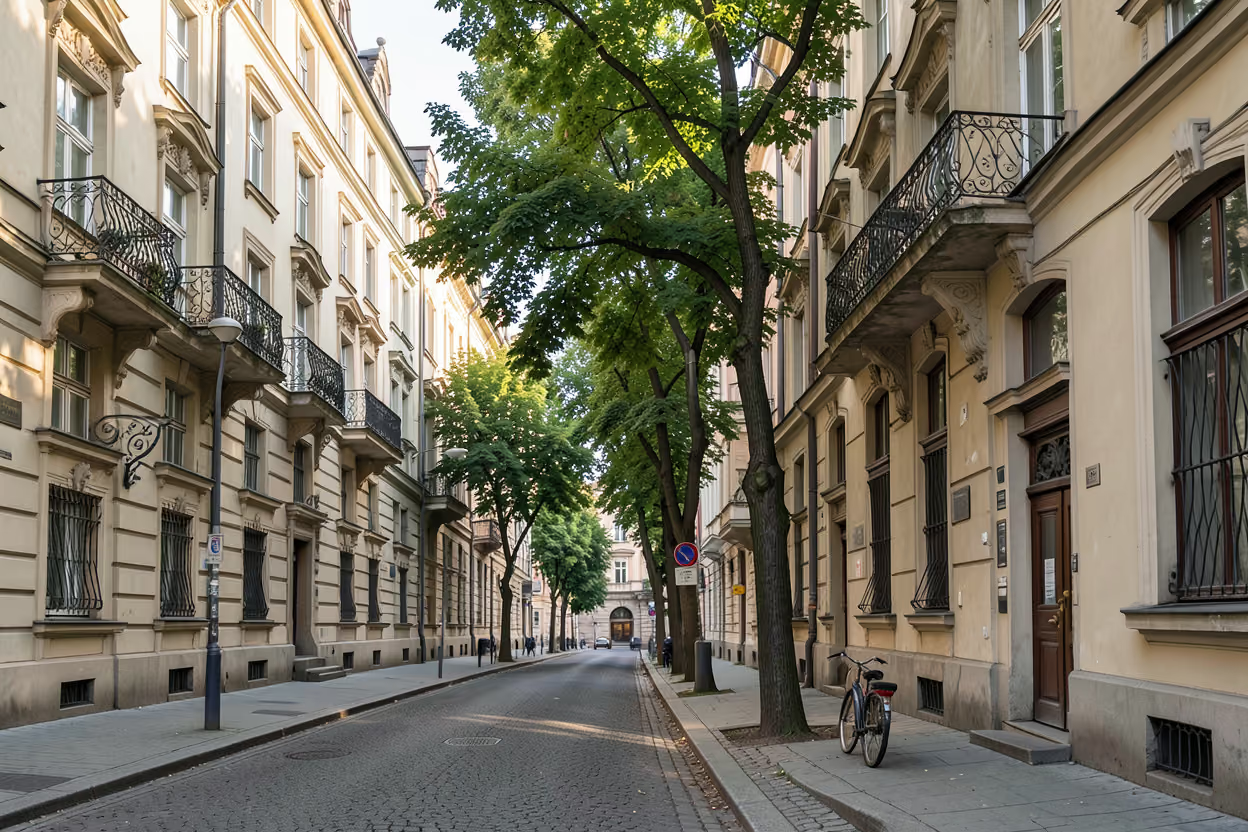
The neighborhood matters, but the exact street matters more. A room above a busy bar can be a poor choice even in a convenient district; a well-connected address a few blocks away may give you a much better night’s sleep.
Quick answer
- District V (Belváros-Lipótváros): the easiest all-purpose base for first-time sightseeing, with the Danube, Parliament, St. Stephen’s Basilica, and major transport links close by.
- District VI: elegant architecture, cafés, the Opera, and the M1 metro along Andrássy Avenue; central without making nightlife the main attraction.
- District VII: best for ruin pubs, bars, and late-night food, but noise varies sharply by street and building.
- District I in Buda: quieter and historic, near Buda Castle and Fisherman’s Bastion, but hilly and less convenient for Pest’s nightlife.
- For a calmer local feel: consider District XIII, the Palace District in District VIII, or District XI around Bartók Béla Boulevard.
Where to Stay in Budapest: Best Areas for First-Time Visitors
Budapest has 23 districts, but you do not need to compare all of them. For a short first visit, focus on central Pest and the Castle District in Buda. District V is the safest default if your plans include a lot of sightseeing and you want to keep daily logistics simple.
District V: the easiest base for first-time sightseeing
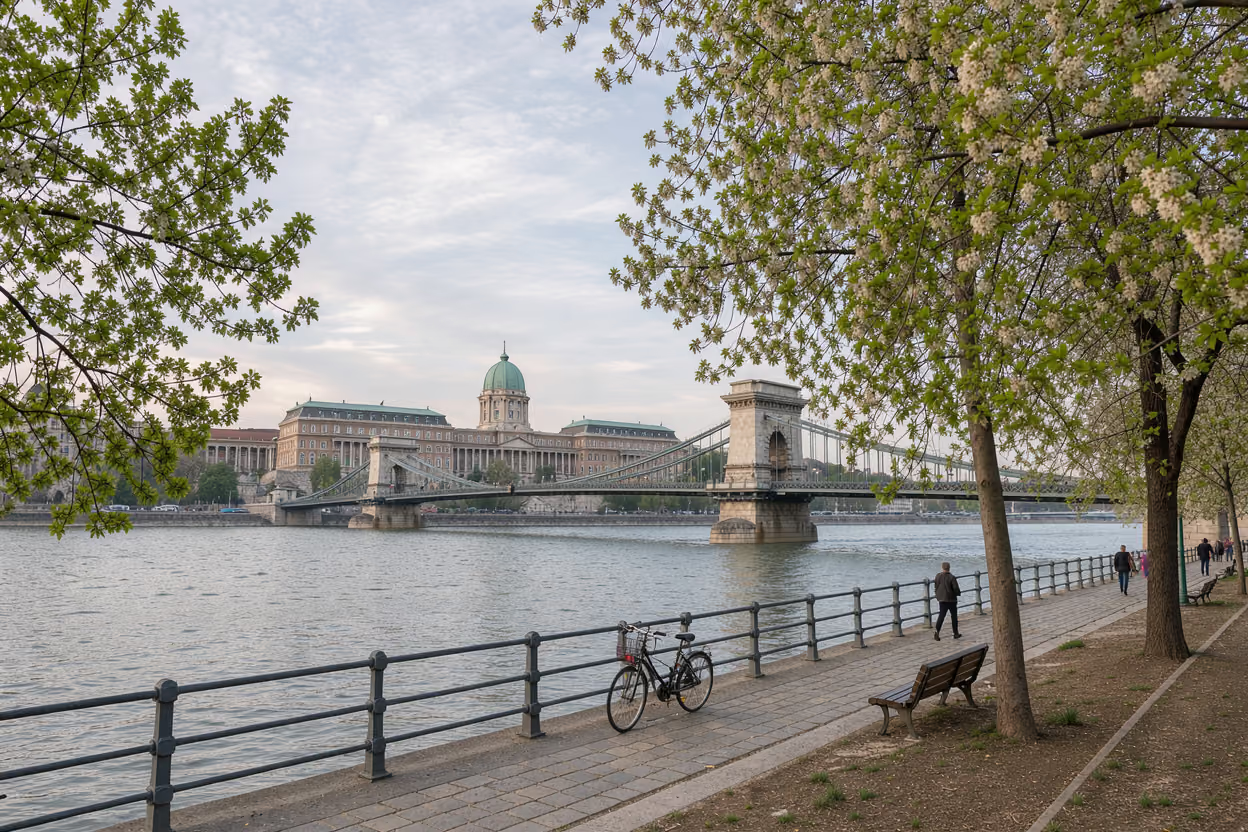
Belváros-Lipótváros, or District V, sits in central Pest. It puts you near the Danube promenade, Parliament, Váci Street, St. Stephen’s Basilica, and Deák Ferenc tér. Many of the city’s familiar first-visit sights are walkable, and you can use the metro or trams when your feet are done.
Deák Ferenc tér is a particularly useful hub, with metro lines M1, M2, and M3. Trams 2 and 47/49 also serve central parts of the district; check how close your specific accommodation is to a stop rather than relying on the district name. A hotel near Parliament, for example, is not necessarily a quick walk from Váci Street.
The trade-off is price: the most central addresses can be expensive. Still, if you have only a few days and want to see a lot without constantly planning transport, District V is usually worth considering first. For where to stay in Budapest District 5, look around Deák Ferenc tér, the Danube, Váci Street, or the basilica—but compare the exact street, room reviews, and total price.
District VI: central architecture, cafés, and the Opera
Terézváros stretches along Andrássy Avenue, past the Opera and Oktogon toward City Park. It suits travelers who like grand architecture, cafés, and a central location that feels less focused on late-night partying than the busiest parts of District VII.
The M1 metro runs along Andrássy Avenue, and trams 4 and 6 serve the Oktogon area. District VI can be a good compromise if you want to be close to central Pest but do not need to sleep in the middle of the nightlife district. As with District V, check the address: a place farther along Andrássy Avenue will feel different from one near the Opera.
District VII: the best base for nightlife, with a noise trade-off
The Jewish Quarter around Kazinczy Street, Gozsdu Courtyard, the Great Synagogue, and Király Street is the strongest choice for bars, ruin pubs, restaurants, and late nights. If nightlife is a major part of your trip, staying nearby makes getting home easy.
The downside is real: District VII can be noisy. It is not equally loud on every block, but a room directly above a ruin bar, club, or busy restaurant is a gamble if sleep matters. Read recent reviews for comments about nighttime noise, and check whether the room faces the street or an inner courtyard. A courtyard is not automatically quiet—nearby terraces, smoking areas, or late-night guests can carry sound too. Good ventilation matters if you plan to keep the windows closed.
Where to Stay in Budapest: Buda or Pest?
For most tourists, Pest is more convenient. Buda makes sense if you value quiet evenings, historic surroundings, and being close to the Castle District more than easy access to Pest’s restaurants and nightlife.
Choose Pest for sights, restaurants, and easier connections
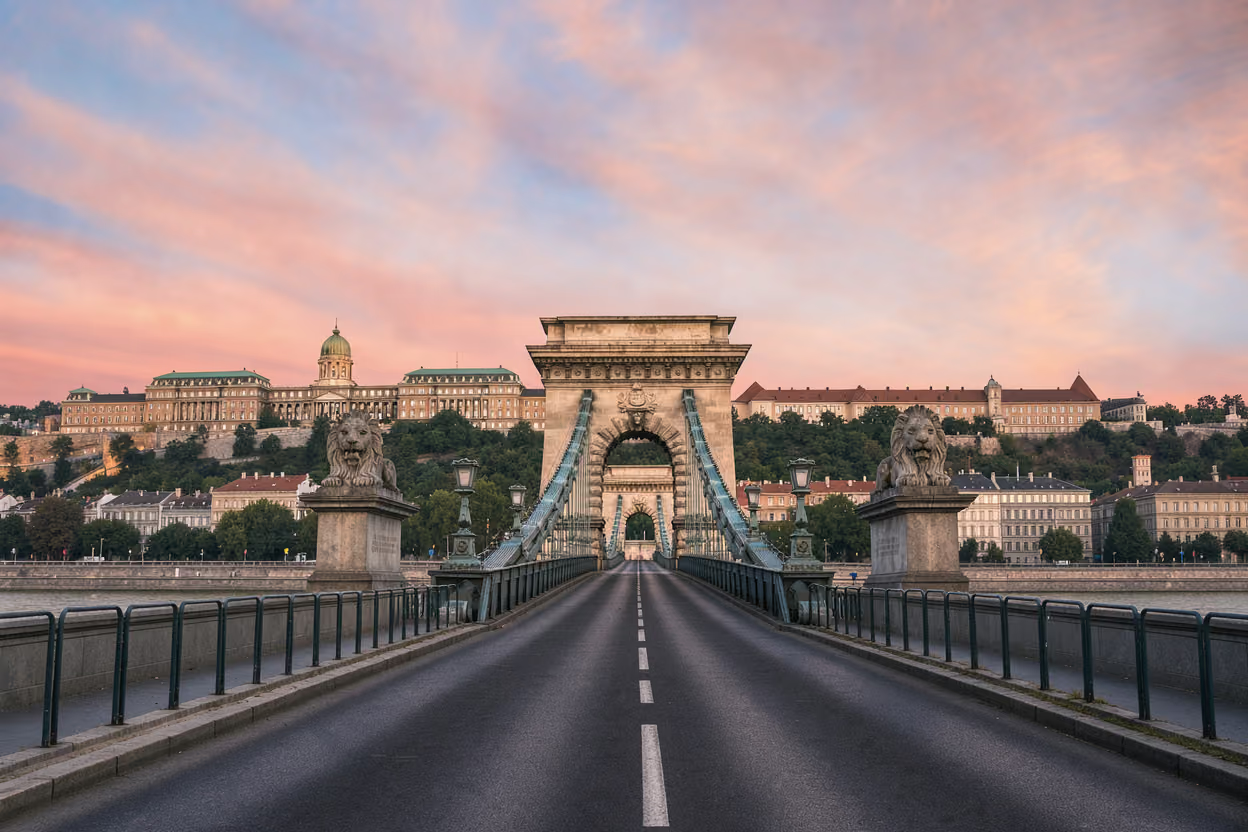
Choose Pest if your plans center on Parliament, the Jewish Quarter, the Opera, shopping, restaurants, or frequent Danube crossings. Central District V is a practical default because sights and transport connections cluster close together; District VI gives you a slightly different central feel, and District VII puts you closer to nightlife.
Many repeat visitors favor Pest for a short stay because it is easier to improvise: dinner, a museum, or a walk along the river is less likely to require planning a trip across the Danube. That convenience is especially useful if you are visiting for only a few days.
Choose Buda for a quieter, historic stay
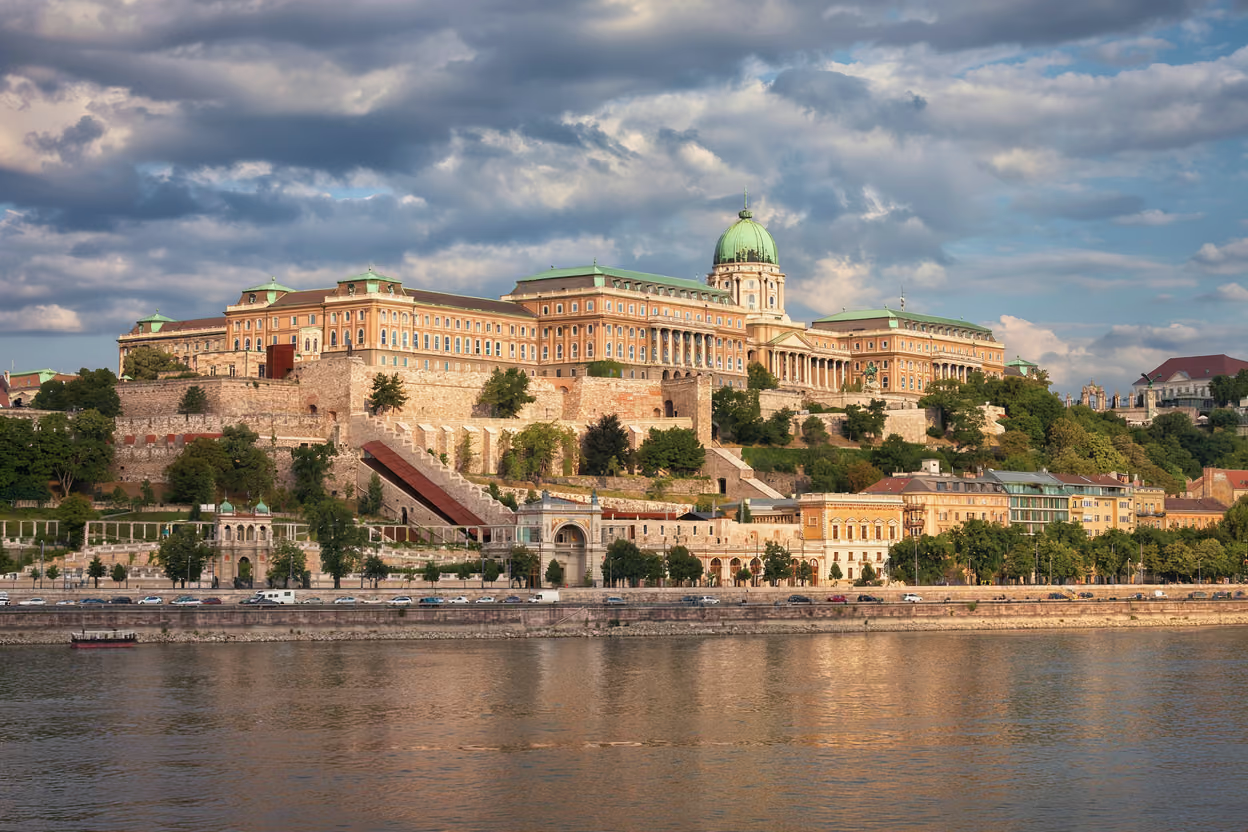
District I is the Buda Castle and Várnegyed area, near Buda Castle, Matthias Church, and Fisherman’s Bastion. It is atmospheric and generally quieter at night than central Pest, with a historic setting that makes sense if the Castle District is a main priority.
The trade-offs are hills, fewer late-night dining options, and extra planning for trips to Pest. Before booking a place described simply as “in Buda,” check its walk to a bus, tram, or bridge crossing. District I connects to Pest by bus 16 and by trams 19 or 41 along the Buda riverbank; routes and the most convenient stop depend on the address. The Castle funicular may also be an option when operating, but do not make your whole plan depend on it.
Match the base to your travel style
- Families and light sleepers: choose District V away from busy nightlife streets, residential District XIII, or a well-connected part of Buda.
- Nightlife: stay in or near District VII, but not directly above a venue if you want a full night’s sleep.
- A central compromise: look at District VI or quieter streets in District V.
Quieter Alternatives: Districts XIII, VIII, and XI
You do not have to stay in the busiest tourist blocks to be well connected. These neighborhoods can suit visitors who want a more residential or local-feeling base, provided the specific address works for their plans.
District XIII: residential Pest near the Danube
Újlipótváros, in District XIII, is a calmer residential area north of Parliament, near the Danube and Margaret Island. It is a good fit if you want neighborhood cafés and a less hectic evening without moving far from central Pest.
Trams 4 and 6, tram 2 along the Danube, and nearby M3 connections link the area with central sights. Check the nearest stop and walking route before booking; District XIII is not a single small neighborhood.
District VIII: the Palace District for culture and cafés
The central Palace District is a cultural and food-focused alternative behind the Hungarian National Museum. It lies broadly between Kálvin Square, Astoria, Blaha Lujza Square, and Corvin Quarter. The area has cafés and restaurants, with access to M2 at Astoria, M3 and M4 at Kálvin tér, and trams 4 or 6 near Blaha Lujza tér.
District VIII is large, so do not book based on the district number alone. Focus on the central Palace District and check the address and its route to transit.
District XI: a local-feeling Buda option
Around Bartók Béla Boulevard, District XI has cafés, restaurants, bars, and galleries, with a more everyday neighborhood feel than the Castle District. It can work well if you want to stay on the Buda side without choosing a hilltop address.
Check the exact location and public-transport connection against your itinerary. A convenient tram or metro connection can make the difference between a relaxed base and a commute across town each morning.
Getting Around, Airport Transfers, and Transport Tickets
Choose a hotel near a useful metro or tram stop
A short walk to a useful stop is more valuable than a promising district label. Before booking, map the route from the door to the nearest metro or tram, and consider how you will get back in the evening. Service varies by route and date, so use the BudapestGO app for journey planning and current ticket or pass options. BKK machines are another place to buy tickets and passes.
Travel from the airport to your accommodation
The 100E Airport Express runs directly between the airport and the city centre and requires a special airport-shuttle ticket. Official 2026 tourism information lists the fare at HUF 2,200; ordinary public-transport tickets are not accepted on this bus.
The 200E is an alternative using the regular public-transport system. It runs to Kőbánya-Kispest, where you can transfer to metro M3. From the airport, use a regulated airport taxi provider or a reputable app; do not accept rides from unofficial touts.
| Option | Best for | What to know |
|---|---|---|
| 100E Airport Express | A direct trip to the city centre | Special airport-shuttle ticket required; listed at HUF 2,200 in 2026 |
| 200E plus metro M3 | Using the regular public-transport system | Change at Kőbánya-Kispest; allow for the transfer |
| Regulated taxi or reputable app | Door-to-door travel with luggage | Confirm the fare method and use an official provider |
Buy and validate tickets correctly
Public-transport fares and products can change, so check BudapestGO or BKK before travel. If you use a paper single ticket, validate it when boarding; inspectors fine passengers with unvalidated tickets. The currency is the Hungarian forint (HUF). Paying by card in HUF is usually the straightforward choice—decline dynamic currency conversion if a card terminal offers to charge you in dollars or euros.
When to Book: Christmas Markets, Summer, and Busy Dates
Stay near the market that fits your plans
If you are choosing where to stay in Budapest for the Christmas market, a central Pest base is convenient for reaching central markets and other sights. But market locations, dates, and daily hours can change from year to year. Confirm the current season’s information with the official Budapest tourism site and the individual market organizer before you book.
December brings heavier demand and limited central availability. Reserve early, then check which market is closest to your accommodation rather than assuming a familiar location or program will repeat.
Plan for summer, festivals, and major events
Summer can bring more demand, so check for air-conditioning, shade, and nearby public transport when comparing places. Spring and autumn often balance sightseeing weather with availability, but festivals can push rates up. New Year’s Eve, concerts, and sporting events can make Districts V, VI, and VII busier, noisier, or more expensive.
Check property details before reserving
There is no useful universal nightly rate: accommodation prices vary by district, season, event calendar, room type, and booking date. Before you pay, confirm the total price—including cleaning or service fees—cancellation terms, check-in instructions, elevator access, air-conditioning, recent guest reviews, and the property’s licensing or registration details.
Common Mistakes to Avoid When Choosing a Budapest District
Do not assume central means quiet
District VII noise can change sharply from one block to the next. Read recent reviews and check the precise street; do not assume an inner-courtyard room will be silent. Courtyard nightlife and smoking areas can carry sound, and poor ventilation may make a closed-window room uncomfortable.
Do not book by district label alone
Check the exact address, walking route to transit, and—especially for Buda—the distance to a useful crossing or connection. Buda Castle is hilly and has fewer late-night dining options than central Pest. A listing that says “Buda” could mean a very different daily routine from a place near the river or a tram stop.
Avoid ticket, taxi, and listing surprises
An ordinary ticket is not valid on 100E, and paper single tickets need to be validated. Confirm recent reviews, check-in instructions, property details, and extra fees before booking. On crowded trams, metro platforms, and tourist streets, keep phones and wallets secure.
Frequently asked questions
Where should I stay in Budapest for the first time?
District V is the easiest all-purpose base for first-time visitors who want central sights, walkability, and transport connections. Choose District VI for an elegant central feel or District VII if nightlife is a priority and you are comfortable checking noise carefully.
Is Buda or Pest better for tourists?
Pest is generally more convenient for major sights, restaurants, shopping, and nightlife. Buda suits travelers who want a quieter historic atmosphere near the Castle District and do not mind hills or planning crossings to Pest.
Where should I stay in Budapest District 5?
Look around Deák Ferenc tér, the Danube promenade, Váci Street, or St. Stephen’s Basilica for convenient sightseeing and transport. Check the exact street and compare the price: the most central addresses can cost more, and not every part of the district is equally close to every sight.
Is District VII in Budapest too noisy?
It can be, especially near ruin bars, clubs, and busy restaurant streets late at night, but noise varies by block and building. Read recent reviews and avoid a room directly above nightlife venues if you are a light sleeper.
Where should families stay in Budapest?
Consider District V away from nightlife streets, residential District XIII, or selected parts of Buda. District VII can work, but its busiest streets may not suit children or light sleepers.
Where should I stay in Budapest for the Christmas market?
A central Pest base is convenient for central markets and other attractions, but check the current season’s market locations, dates, and hours before booking. December demand is high, so reserve early.
For most first-time visitors, District V is the simplest answer to where to stay in Budapest. District VI, District VII, Buda’s District I, and calmer areas such as District XIII suit different travel styles; choose by exact street, noise tolerance, and transit access, then verify current fares and booking terms before you commit.