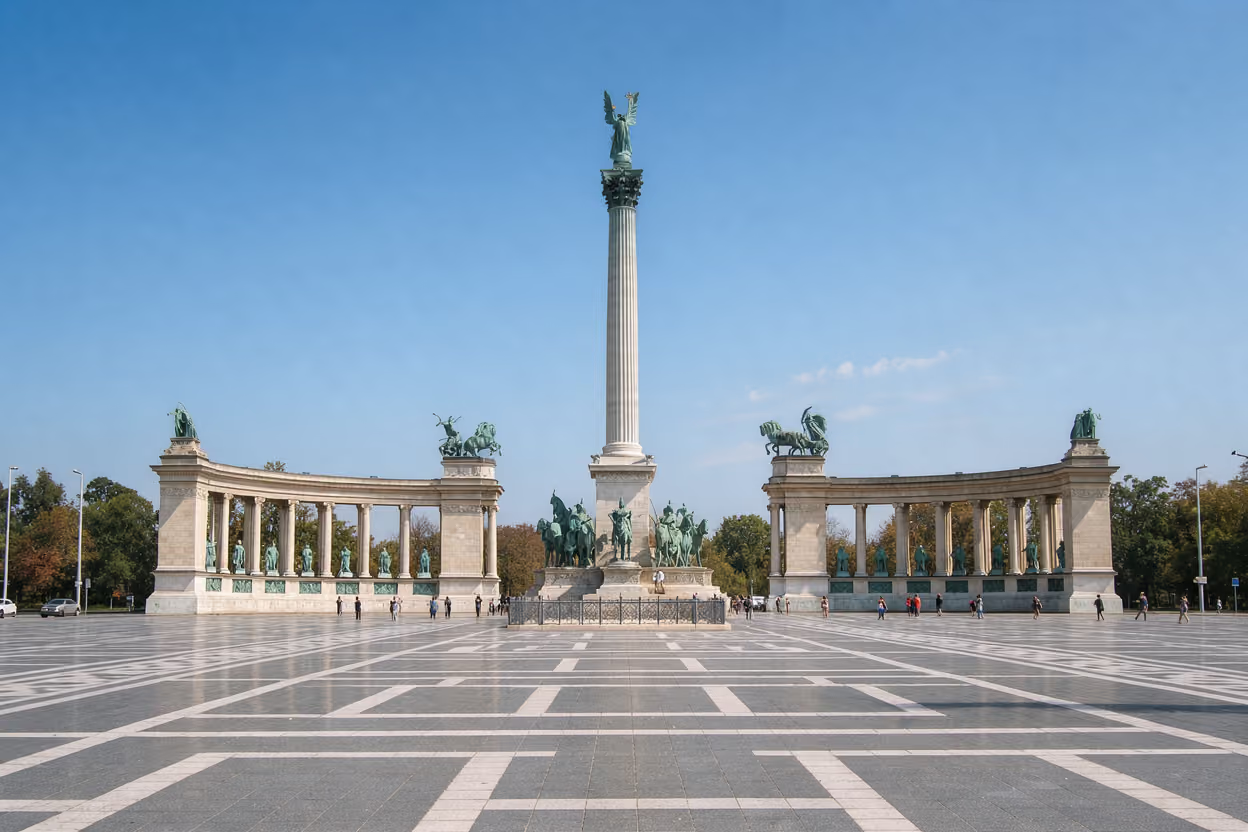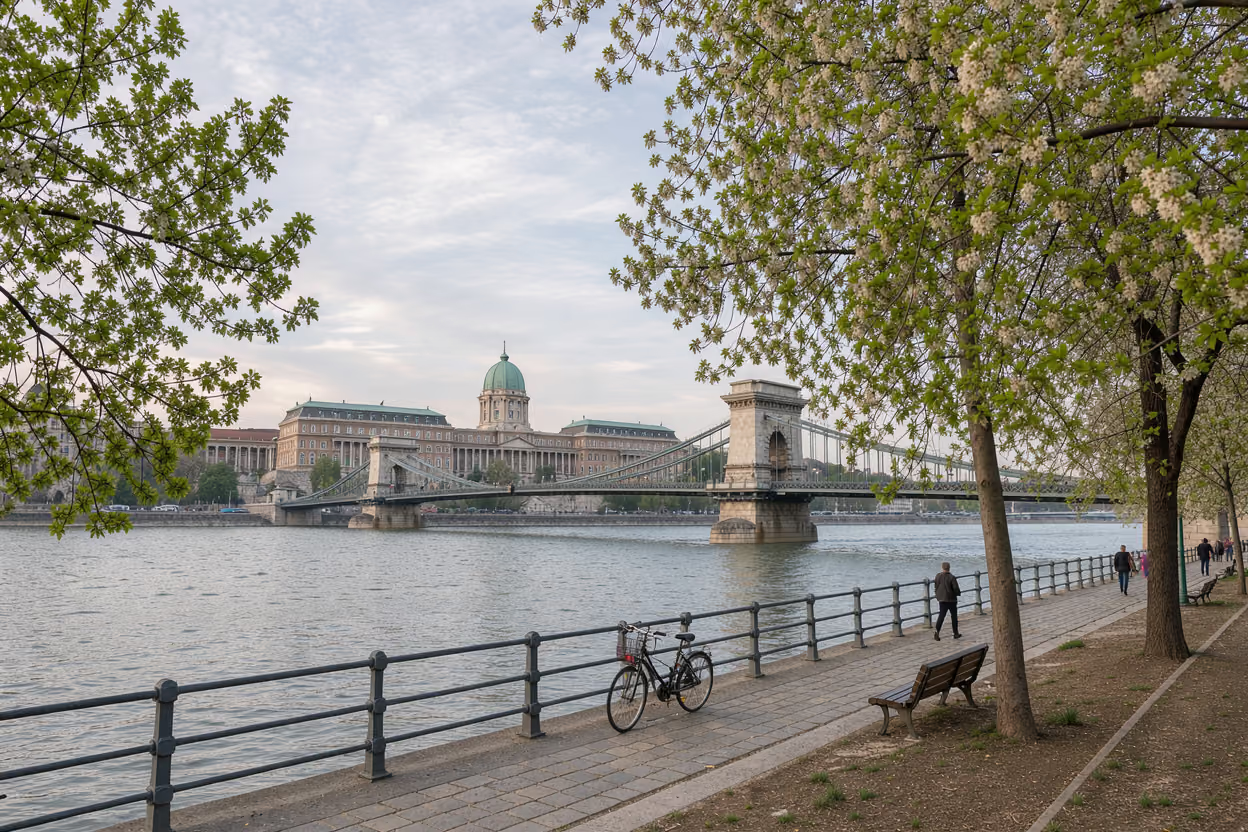
July and August bring long evenings and outdoor events, but heatwaves can make midday walks miserable. Winter has shorter days and colder weather, yet December’s markets and the city’s thermal baths give a cold-weather trip a clear appeal.
Quick answer
- Choose late April to June or September to October for a good balance of walking weather and crowds.
- For a first visit focused on exploring on foot, try late May, early June, September, or early October.
- Pick July or August for long evenings and outdoor programming, but plan around the heat.
- Choose December for Christmas markets and lights; check dates for each market and book your stay early.
- January and February are quieter choices for museums, cafés, and baths, not all-day outdoor sightseeing.
Best Time to Visit Budapest: The Short Answer
The best all-around months for a first visit
Late April through June and September through October are the strongest all-around windows. The weather is often comfortable for walking between the Danube, the Castle District, and central Pest, while the city is generally less crowded than at the peak of summer.
Late May, early June, September, and early October are especially good bets if you expect to spend much of the day outside. They are not guaranteed to be quiet: weekends, conferences, school holidays, festivals, and a run of good weather can all bring more visitors. Still, many repeat visitors prefer these shoulder-season months because they can see more on foot without planning every outing around the midday heat.
Choose your month by what matters most
- For Christmas markets and festive lights: December, with accommodation booked early.
- For long evenings and outdoor events: July or August, if you are comfortable adjusting plans for heat and crowds.
- For a quieter museum-and-bath trip: January or February.
- For extensive walking: Late spring or early fall.
No season guarantees particular weather. Check the forecast closer to departure, especially in summer, when a heatwave can change the feel of a trip quickly.
Best Time to Visit Budapest for Weather and Crowds
Spring and fall: the shoulder-season balance
Late April to mid-June and September to October are generally the most comfortable periods for walking and sightseeing. Spring can swing from cool and rainy to pleasantly warm; fall brings cooler days, shorter daylight, and a chance of rain. Pack layers, and bring waterproof shoes if wet weather is in the forecast.
These months are often less crowded than July and August, but “shoulder season” does not mean an empty city. September can be particularly busy around major events, conference dates, and weekends. If you have flexibility, a midweek stay can make central sights and restaurants feel easier to navigate.
Summer heat, crowds, and long daylight
July and August can be hot and busy. Their advantage is the long daylight: you can visit outdoor sights early, take a break in the hottest part of the afternoon, then head out again in the evening. Outdoor programming is also a draw.
Temperatures of 35–42°C are an occasional heatwave risk, not the normal expectation for every summer day. But if the forecast reaches 35°C or higher, do not push through a long outdoor itinerary. Start early, spend the hottest hours in shaded museums or another cool indoor stop, consider river transport, and save outdoor walks for evening.
Winter weather and shorter sightseeing days
Budapest in winter can be cold, gray, windy, and occasionally snowy. Daylight is short, so a plan built entirely around outdoor sights is likely to feel rushed. Pair walks with museums, cafés, and a thermal bath, and bring warm clothing from December through February.
Outside the holiday period, winter is often quieter and may offer better value, though prices vary by date and availability. It is a good season for travelers who are happy to trade long outdoor days for a slower, indoor-focused city break.
Budapest Month by Month: What to Expect
| Months | What to expect | Best fit |
|---|---|---|
| January–February | Cold, short days; relatively quiet | Museums, cafés, baths |
| March–April | Changeable spring weather | Flexible sightseeing |
| May–June | Comfortable walking, longer days | First visits and outdoor exploring |
| July–August | Heat, crowds, outdoor events | Travelers who can shift plans |
| September–October | Cooler, often good for walking | Sightseeing and culture |
| November–December | Darker days; December is festive | Indoor visits, markets, baths |
January and February
January is generally cold, with short daylight. Make museums, cafés, indoor attractions, and thermal baths the backbone of your days rather than treating them as backup plans. February remains winter-like and relatively quiet; cold, gray, or snowy conditions are possible.
March and April
March is transitional. Days gradually improve, but cold spells and rain can still interrupt outdoor plans. April becomes increasingly suitable for walking, though temperatures and rainfall can change quickly. Keep a flexible indoor option in reserve.
May and June
May is often one of the most comfortable months for sightseeing, but showers and occasional early heat are possible. June offers long days and generally favorable outdoor conditions, with crowds starting to build toward summer. Both are strong choices if you want to cover a lot of the city on foot.
July and August
July is typically hot and busy. Visit major outdoor sights in the morning or evening, and reserve popular venues ahead where possible. August has long daylight and plenty of outdoor life, but heat, humidity, and tourist crowds can be significant. It is a good month for travelers who value summer atmosphere more than cool, quiet sightseeing.
September and October
September often gives you a useful compromise: some summer warmth, with conditions that can be more manageable for walking. Events and conferences still affect demand, so do not assume the city will be quiet. October is cooler and has shorter days, with a risk of autumn rain, but it can be an excellent month for walking and cultural visits.
November and December
November is darker and quieter, with changeable weather. Plan indoor visits and check conditions before committing to a long outdoor day. December brings festive lights and markets, but cold, short days and holiday crowds can affect both availability and the pace of sightseeing.
Budapest in Winter: Christmas Markets, Baths, and Quiet Days
When to visit Budapest’s Christmas markets
December is the best time to visit Budapest Christmas market stalls and seasonal lights, but market dates and operating arrangements can differ by location and year. The 2026 dates have not been verified, so check the information from each market organizer before booking around a specific opening or closing day.
For a calmer visit, go on a weekday during the day rather than Friday evening or the weekend. Central areas can be busy around the holidays, so book accommodation early if you are traveling in December.
Is Budapest worth visiting outside the holiday period?
Yes, if your idea of a good trip includes museums, cafés, and thermal baths rather than long days outdoors. January and February are quieter options, but cold, wind, rain, and short daylight are part of the deal. Build indoor alternatives into each day instead of hoping the weather will cooperate.
Is Budapest Worth It in Summer, Especially August?
Who should choose a summer trip
Yes—Budapest is worth it in summer if you want long evenings, outdoor activities, and seasonal programming, and you are willing to plan around heat. August can be a rewarding time to be here, but it is not the best month for travelers seeking cool weather or quiet streets.
How to make a hot-weather visit easier
Do your main outdoor sightseeing early or late, carry water, and use shaded indoor stops during the hottest part of the day. Check the short-range forecast shortly before your trip; seasonal expectations are no help if a heatwave is on the way.
Evenings are useful for walks along the Danube and through the historic center, but popular viewpoints and restaurants can still be crowded. If you are choosing between a long midday walk and a slower afternoon followed by an evening outing, choose the second.
Best Time to Visit Budapest for Thermal Baths and Multi-City Trips
Thermal baths are a year-round option
The baths work in every season. In winter, the contrast between hot water and cold air is part of the appeal; in summer, outdoor pools and a relaxed evening visit can suit the weather better. Check the selected bath’s official information for date-specific hours, entry policies, pool availability, and whether advance booking is required—rules and facilities vary.
Gellért Thermal Bath is closed for a full renovation and is expected to remain closed until 2028. Look instead at Rudas, Széchenyi, Lukács, Veli Bej, or Király, checking current availability before you go.
Planning Budapest with Vienna or Prague
Late spring and early fall work well for a Budapest–Vienna or Budapest–Prague itinerary if you want to avoid the most intense summer heat. Compare rail schedules and prices before fixing your dates, and allow extra travel time rather than building a tight connection into the plan. For the best time to visit Budapest and Vienna or the best time to visit Budapest and Prague, the same shoulder-season logic applies—but coordinate the whole route, not just Budapest’s weather.
Practical Budapest Trip Planning: Tickets, Transport, and Mistakes to Avoid
What to check before you book
For 2026, verify Christmas-market dates, attraction schedules, bath policies, and transport fares directly with the relevant organizer or operator. Current official dates and prices were not confirmed, and these details can change.
If you are traveling from the United States, check passport validity, Schengen stay limits, airline schedules, and travel-insurance conditions before departure. Costs depend on dates and operators, so use official ticket channels rather than relying on old quoted prices.
Getting from the airport and around the city
From Budapest Ferenc Liszt International Airport, compare BKK public transport with a licensed taxi or prebooked transfer. Bus 100E goes to Deák Ferenc tér and has a special fare; bus 200E connects with the metro network. Avoid unsolicited transport offers and use a clearly identified licensed taxi or an official booking channel.
In central Budapest, metro lines M1, M2, M3, and M4, as well as trams 2 and 4/6, provide practical access to many visitor areas. Buy tickets or passes through the BudapestGO app or BKK machines. Validate paper single tickets when boarding and keep them until you leave the system; inspectors fine passengers with unvalidated tickets.
Seasonal mistakes to avoid
- Treating summer averages as a promise of mild weather: If a heatwave forecast reaches 35°C or higher, move outdoor sightseeing to early morning or evening.
- Assuming September is always quiet: Events, conference periods, and weekends can keep the center busy.
- Assuming every market follows the same calendar: Check the dates for the specific Christmas market you plan to visit.
- Planning only outdoor activities in winter: Short daylight, wind, rain, and cold can cut into sightseeing time.
- Assuming every bath has the same rules: Hours, tickets, reservations, and pool availability vary by facility and date.
Alternative dates if your first choice does not work
- Late April to mid-May: A good spring option for walking, with rain and temperature swings possible.
- Early October: Cooler sightseeing weather and fewer visitors than at the height of summer, though daylight is shorter.
- January or February: A quieter choice for museums, cafés, and baths.
- Weekday December mornings: A calmer way to see the markets than a weekend evening.
- Summer evenings: Move walks along the Danube and through the historic center out of the midday heat.
Frequently asked questions
What is the best time to visit Budapest for good weather and fewer crowds?
Late April through June and September through October usually offer the best balance. Late May, early June, September, and early October are especially strong choices for walking, though weekends and major events can still bring crowds.
Is Budapest worth visiting in summer, especially in August?
Yes, if you want long days, outdoor activities, and summer events and can adapt to heat and crowds. Plan outdoor sightseeing early or late, and check the forecast for heatwaves before setting your daily plans.
When is the best time to visit Budapest for Christmas markets?
December is the season for festive markets and lights, but dates vary by market and year. Check current organizer information; weekday daytime visits are generally calmer than weekend evenings.
Is Budapest worth visiting in winter?
Yes, especially if you enjoy museums, cafés, and thermal baths. Expect cold, short days and changeable weather, and plan indoor alternatives alongside outdoor sightseeing.
When is the best time to visit Budapest thermal baths?
Thermal baths are a year-round activity: winter highlights the contrast between hot water and cold air, while summer suits outdoor pools. Check the chosen bath’s official date-specific hours and entry policies. Gellért is closed for renovation and expected to remain closed until 2028.
What is the best time to visit Budapest and Prague or Vienna on one trip?
Late spring and early fall are useful periods to consider for a multi-city itinerary. Compare current rail schedules and prices before setting dates, and allow extra travel time between cities.
For most travelers, late spring or early fall is the best time to visit Budapest for comfortable walking without peak-summer heat. Summer, winter, and December can all be rewarding if you plan around their trade-offs: check the live forecast, current transport and bath information, and seasonal event dates before you go.