Expect cold, changeable weather and limited daylight—not guaranteed snow or empty streets. Plan around indoor stops, pack for rain as well as cold, and check 2026 holiday schedules before you commit to a market, bath, or special meal.
Quick answer
- December can be cold, wet, and occasionally snowy. Bring warm layers, waterproof outerwear, and shoes with good grip.
- Major Advent markets usually run from around mid-November into late December or early January, but exact 2026 dates and holiday hours vary.
- Thermal baths are a dependable winter activity. Gellért is closed for renovation and expected to remain closed until 2028; consider Széchenyi, Rudas, or Lukács instead.
- The first three weeks of December are the easiest time to combine markets with ordinary sightseeing. Make a lower-key plan for December 24–26.
- The dedicated 100E airport-bus ticket is HUF 2,200 in the current 2026 research; ordinary public-transport tickets are not valid on this service.
Is Budapest in Winter Worth Visiting?
Yes, if you enjoy a city break built around hot water, indoor culture, and good café stops. Budapest’s winter is less rewarding for travelers who want to spend most of the day outdoors: short daylight, cold rain, and wind can make long sightseeing walks feel like work.
Visitor numbers and the atmosphere vary by date. The weeks before Christmas are festive and busy around central markets; January and February are quieter in seasonal terms, but don’t count on having major sights to yourself.
Who will enjoy a winter trip to Budapest?
Choose winter if you’d happily spend a morning in a bath, an afternoon in a museum, and an evening at a concert or café. December adds market food, mulled wine, handmade goods, and seasonal performances, though vendor lineups and programs change each year.
If your ideal trip means hours outdoors, choose another season—or keep your winter itinerary flexible. A Danube walk can be lovely in clear weather, but it’s not a sensible all-day plan in cold rain.
The best time to visit in December
The first three weeks of December usually give you the strongest combination of market activity and regular city services. The trade-off is that the central markets can be busy, especially in the evening.
From December 24–26, many shops, attractions, and independent restaurants reduce their hours or close. The days between Christmas and New Year’s can still work well for baths, selected cultural attractions, and prebooked meals, but they aren’t business-as-usual days. Confirm each venue’s schedule for your dates.
Budapest in Winter: Weather, Daylight, and What to Pack
What winter weather and daylight can feel like
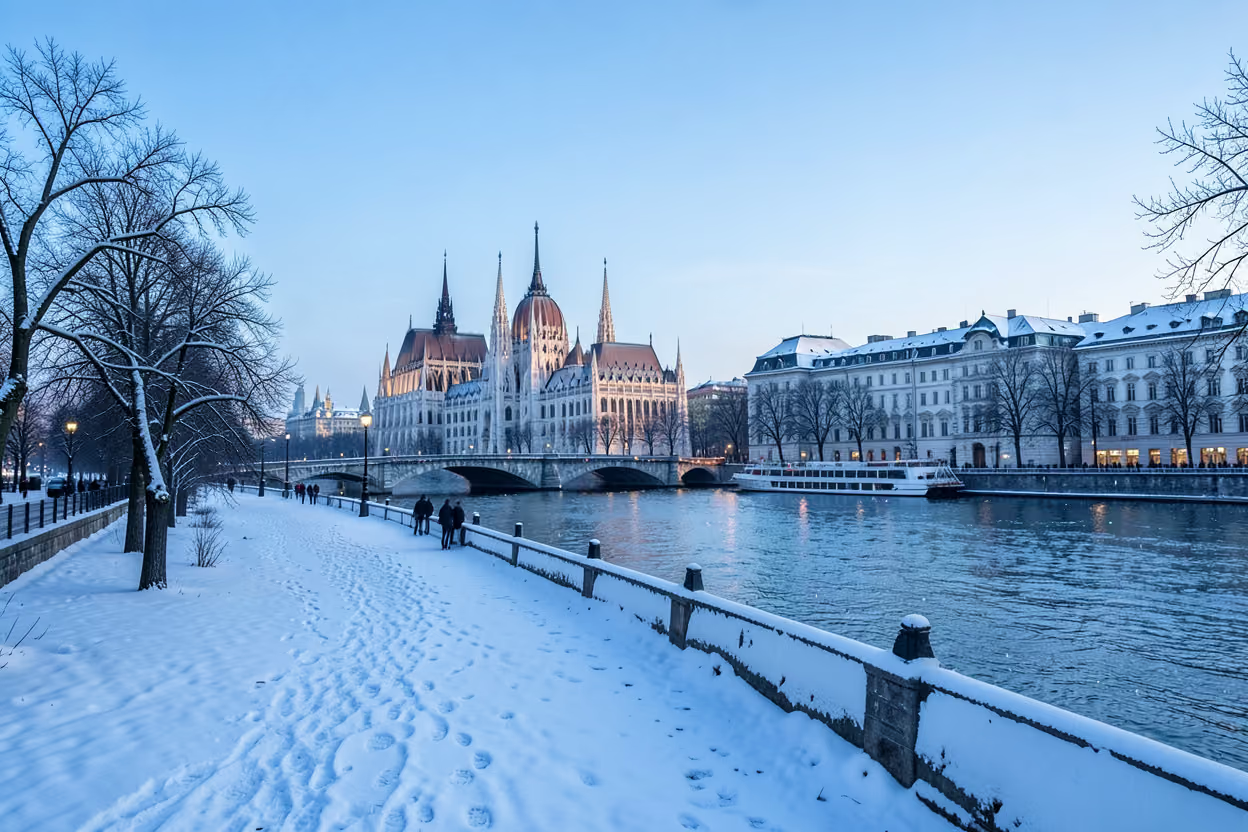
Budapest’s winter weather is cold and changeable, with possible rain or snow. Conditions vary, so check a date-specific forecast close to departure rather than packing around a seasonal average.
Make outdoor walks your daytime plan and keep an indoor alternative for a wet afternoon. Pavements can be slippery when wet or icy, and cobblestones take more care in shoes with smooth soles.
A practical winter packing list
- Warm layers, gloves, and a waterproof coat or jacket.
- Waterproof shoes with good grip; comfortable walking shoes matter more than dressy boots.
- Flip-flops and a waterproof bag for bath visits. Towel rental and locker arrangements vary by facility, so check what your ticket includes.
- A small day bag for a water bottle, gloves, and anything you want to keep dry.
For a U.S. trip, check passport validity and the Schengen entry rules that apply to your travel dates. Sort out travel insurance and phone roaming or an eSIM before departure.
Things to Do in Budapest in December: Baths, Markets, and Indoor Plans
Build a day around a thermal bath
A bath visit is one of the most reliable winter plans: it works in cold weather and gives you a reason to slow down. Book directly with the bath, particularly for weekends, evening sessions, or special events. Before choosing a ticket, check whether the day has gender-specific access or rules for particular thermal areas; swimming pools may require a suitable swimsuit and cap.
Add museums, cafés, performances, and a winter walk
For a rainy day, consider the Hungarian National Museum or House of Terror Museum. The Hungarian State Opera and concerts can make a good evening plan. Each has its own schedule, so don’t build a holiday itinerary around an assumed opening time.
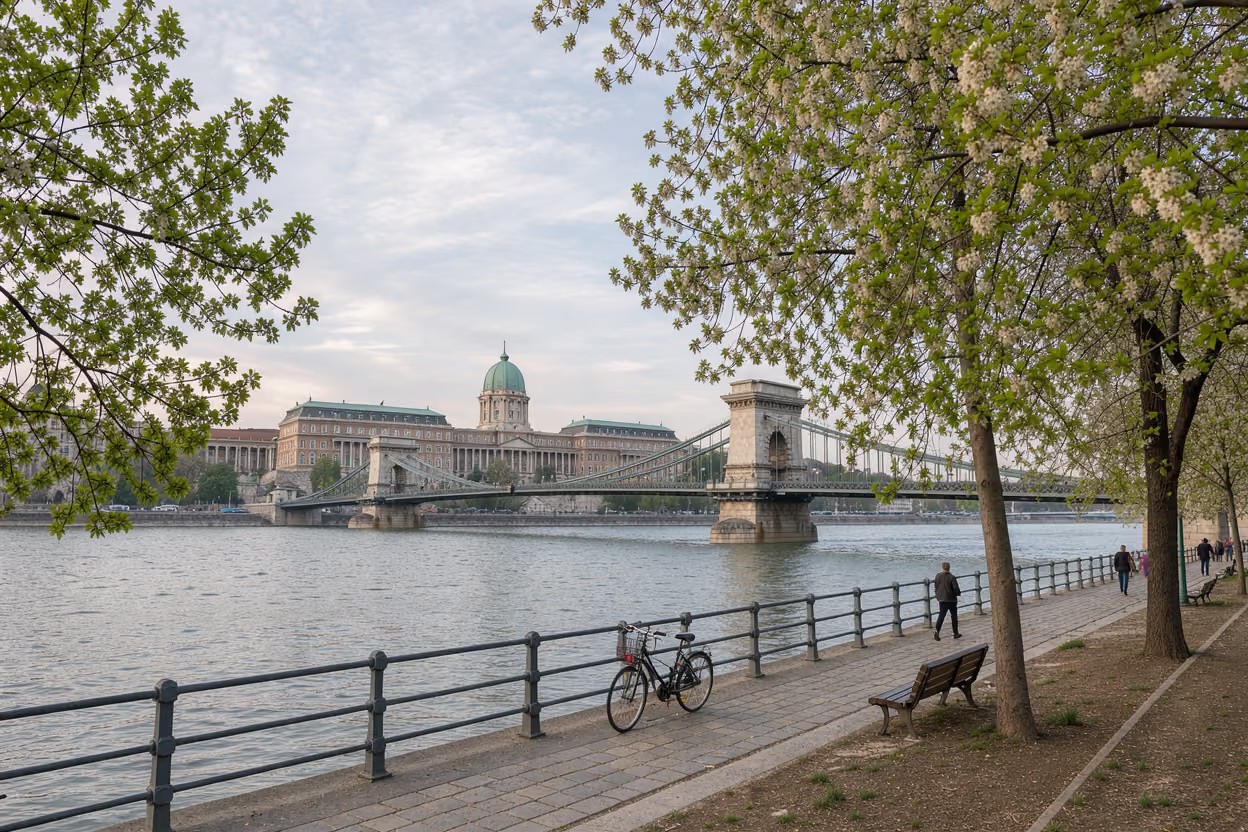
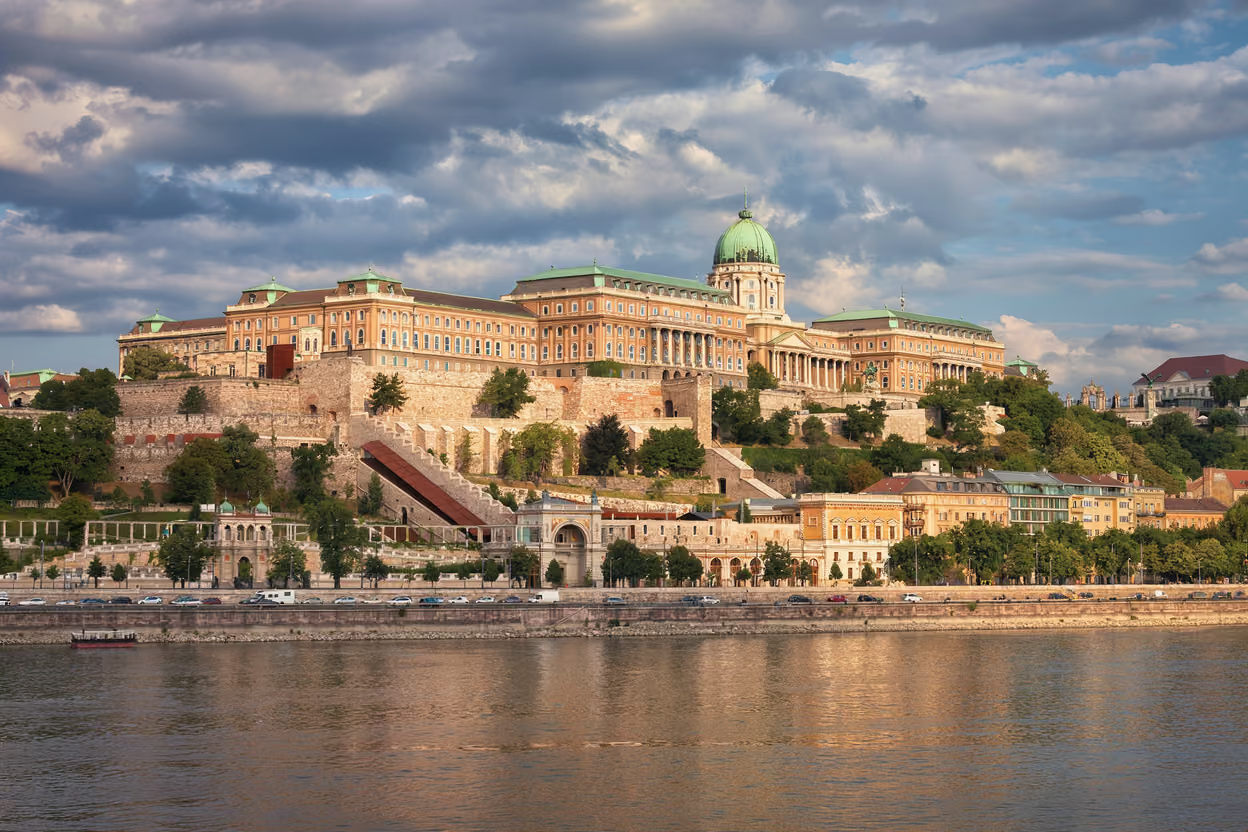
For a weather-friendly walk, link the Danube promenade and Chain Bridge area with Buda Castle, then warm up at a café. Shorten the route if it’s windy or wet; winter sightseeing is better when you’re not trying to prove something to the weather.
At a December market, try seasonal food or mulled wine, browse handmade goods, and catch a performance if that market’s program is confirmed. The central markets are easy to combine on foot, but their stalls and schedules are not identical.
What to do after Christmas Day
Don’t assume every market is still fully active after December 24. Dates, hours, and vendor participation vary, so check the individual event schedule before making a special trip.
For December 24–26, build around a bath, a walk, or an attraction with confirmed hours, and reserve restaurant meals in advance. In January and February, shift your focus from Christmas markets to baths, museums, cafés, performances, and exhibitions.
Budapest in Winter: Which Thermal Bath Should You Choose?
For budapest thermal baths winter planning, pick by location and bathing style, not by the assumption that every famous bath is open.
| Bath | Best for | Practical note |
|---|---|---|
| Széchenyi | A large, iconic bath in City Park | Take metro M1 to Széchenyi fürdő; check festive hours and tickets. |
| Rudas | Historic Turkish-bath architecture and evening bathing | Check the day’s access conditions and schedule before booking. |
| Lukács | A Buda-side alternative | Some Budapest Card options include admission; check the card’s current benefits and validity. |
| Veli Bej | Another Buda-side option | Confirm current operating status, access, and schedule before planning around it. |
| Király | A historic bath to consider as an alternative | Confirm current operating status and hours before visiting. |
Important closure and booking checks
Gellért Thermal Bath is closed for a full renovation and is expected to remain closed until 2028. Don’t plan a visit there; choose Rudas, Széchenyi, Lukács, Veli Bej, or Király instead.
Bath prices vary by venue, day, time, locker or cabin choice, and special event. Use the selected bath’s official ticketing page for current prices and booking rules. Bring flip-flops and a waterproof bag, and check towel and locker arrangements before you leave.
Plan a holiday or New Year’s bathing visit
Baths generally remain available through the Christmas and New Year period, but each facility sets its own holiday hours. A weekday morning is often calmer than a weekend afternoon, though crowds vary.
Rudas may offer a New Year’s Eve night-bathing event from 21:00 to 03:00. Treat it as a possibility, not a guaranteed 2026 plan, until the event and admission conditions are confirmed.
Budapest Christmas Market Timing, Locations, and Costs
The budapest christmas market season is best treated as a collection of separate events, not one citywide schedule. Typical seasons run from around mid-November into late December or early January, but exact 2026 dates, vendors, and programs vary by market.
Which Budapest markets to consider
- Vörösmarty Square: A central, popular market with easy access by metro M1.
- Advent Basilica at St. Stephen’s Square: Convenient to central Pest and Deák Ferenc tér.
- City Hall Park: Another central option near Deák Ferenc tér.
- Óbuda Main Square: A neighborhood-scale alternative if you want a break from the busiest central markets.
The central three are close enough to group into one outing. Óbuda takes more effort to reach, but its neighborhood setting can be a welcome change of pace. Check the official 2026 schedule for the market you’re visiting, especially if you’re going outside the main pre-Christmas weeks.
Typical hours and holiday changes
Published seasonal guidance puts typical market hours at roughly 10:00 or 11:00 until 21:00 or 22:00, with some Fridays and Saturdays staying open an hour later. These are broad patterns, not a promise for a specific stall or market.
Expect shorter hours on December 24–26, and check whether a market continues after Christmas. Some may open late on December 31, but don’t assume that applies to every event.
Getting to the markets and budgeting
Vörösmarty Square is served by metro M1. Advent Basilica and City Hall Park are walkable from central metro connections, including Deák Ferenc tér. For Óbuda Main Square, use BudapestGO to find current tram and bus routes.
Prices and accepted payment methods vary by stall. Carry a card and consider keeping some Hungarian forints (HUF) for small purchases. Card payment in HUF is usually the straightforward choice; decline dynamic currency conversion if a terminal offers to charge you in dollars.
A Practical Budapest Itinerary for December
A flexible plan for the first three weeks of December
Use daylight for an outdoor walk, then visit a central market in the late afternoon or evening. Finish with a café, museum, concert, or prebooked bath session. Group Vörösmarty Square, Advent Basilica, and City Hall Park together instead of crossing town repeatedly.
Reserve popular bath visits and evening activities directly with the venue, particularly for weekends. Keep one indoor alternative in mind in case the weather turns.
A plan for December 24–26 and the days after
Make these low-assumption days: confirm bath and attraction hours, prebook meals, and keep both indoor and outdoor alternatives available. Don’t plan essential shopping around a market visit unless you’ve confirmed that market’s same-day hours and vendor participation.
The period between Christmas and New Year’s is still a good time to visit selected attractions, enjoy a bath, or take a winter walk. Just don’t assume restaurants, shops, or museums are operating normally.
January and February alternatives
After the Christmas markets, Budapest still has plenty to fill a short trip: baths, museums, cafés, performances, and exhibitions. Keep outdoor sightseeing flexible for cold, rain, wind, or snow, and check individual attraction hours before you set the day’s route.
Winter Costs, Transport, and Mistakes to Avoid
Airport and city transport
The dedicated 100E airport-shuttle ticket is HUF 2,200 in the current 2026 research. An ordinary Budapest public-transport ticket is not valid on 100E. Bus 200E runs to Kőbánya-Kispest, where you can connect to metro M3; check the current BKK fare before departure.
Buy tickets through the BudapestGO app or BKK machines. Paper single tickets must be validated when you board, and inspectors fine passengers with unvalidated tickets. BudapestGO is also useful for current routes and service changes. For a taxi from the airport, use the official taxi desk or a licensed, prebooked transfer rather than an unsolicited offer.
Bath, market, and payment costs
There’s no useful single price for a bath visit: admission depends on the venue, date, time, locker or cabin, and event. Check the official ticket page for your chosen bath before budgeting.
Budapest Card benefits and prices depend on the current card option. Some card materials list public-transport benefits and free Lukács admission, but compare the current terms with what you’ll actually use. Hungary’s currency is the forint, not the euro. When paying by card, choose HUF rather than a converted dollar amount; compare the full rate and commission if you exchange cash.
Common winter planning mistakes
- Going to a market on December 24–26 without checking same-day hours.
- Assuming museums, shops, restaurants, or baths run normally between December 24 and January 1.
- Arriving at a bath without checking its holiday schedule, advance-ticket rules, access conditions, or special events.
- Exchanging money at the first tourist-area office without comparing the displayed rate and commission.
- Accepting unsolicited restaurant, bar, taxi, or nightlife recommendations from street promoters. Choose a venue independently and confirm prices before ordering.
Keep valuables secure in crowded markets, tourist squares, and on public transport.
Frequently asked questions
Is Budapest worth visiting in December or January if it is cold and cloudy?
Yes, if you value thermal baths, museums, cafés, and seasonal experiences more than long outdoor days. December offers markets before Christmas; January is better planned around year-round attractions. In both months, keep your plans flexible for weather and holiday hours.
What are the best things to do in Budapest in December?
Visit an Advent market while it’s open, plan a thermal-bath visit, and add a museum, café, concert, or winter walk. Check schedules carefully for December 24–26, when many businesses reduce their hours or close.
What should I know about Budapest Christmas markets after December 24?
Hours may be shorter from December 24–26, and market dates, vendor participation, and post-Christmas openings vary. Check the individual market’s schedule before going rather than assuming the whole market is operating.
Which Budapest thermal baths are open in winter?
Széchenyi, Rudas, and Lukács are options to check for a winter visit; confirm festive hours and booking rules directly. Gellért is closed for full renovation and is expected to remain closed until 2028.
How many days should I plan for a Budapest itinerary in December?
Choose a trip length that leaves room for a market, a bath, and indoor cultural activities, with flexibility around holiday closures. Confirm venue hours before fixing the itinerary, especially if your visit includes December 24–26.
Is 100E included in a regular Budapest public-transport ticket?
No. The 100E airport shuttle requires a dedicated ticket, listed at HUF 2,200 in the current 2026 research. Confirm the fare before travel.
Are Budapest thermal baths open on Christmas and New Year’s?
Baths generally remain available during the festive period, but hours and admission conditions can change on public holidays. Check the chosen bath’s schedule, including any New Year’s Eve event.
Budapest in winter rewards a little planning: put baths and indoor culture at the center, visit markets before Christmas if shopping matters, and leave room to adjust for weather and closures. Confirm schedules for your exact dates—especially December 24–26—and you’ll have a much easier trip.
Related guides
- Best Time to Visit Budapest
- Things to Do in Budapest
- Budapest 3 Day Itinerary
- Budapest month by month
- Christmas in Budapest
- Budapest in December