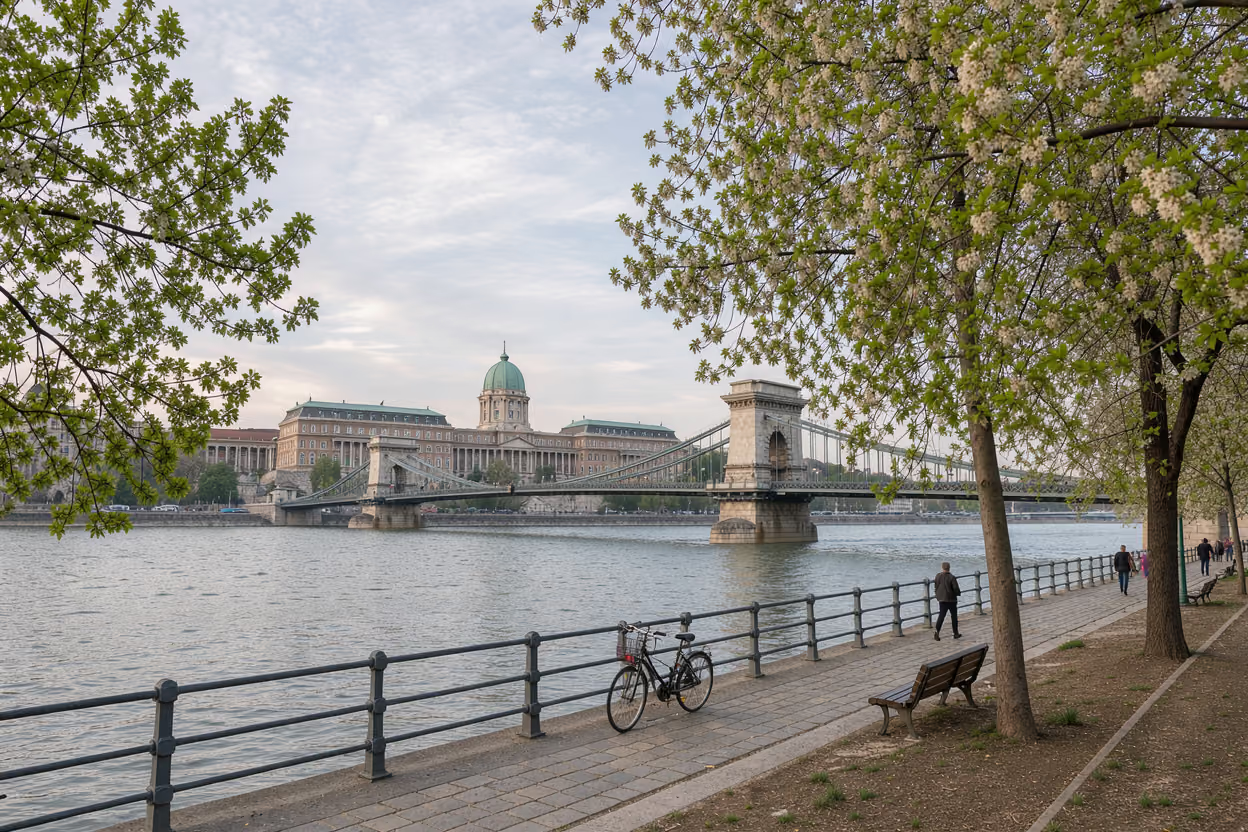
The route below leaves room for meals, walking and a proper break. Keep it flexible: if you’re tired, skip an optional museum, not the time you set aside to enjoy the Danube.
Quick answer
- Day 1: Explore Parliament and the Danube, then walk to St. Stephen’s Basilica and central Pest.
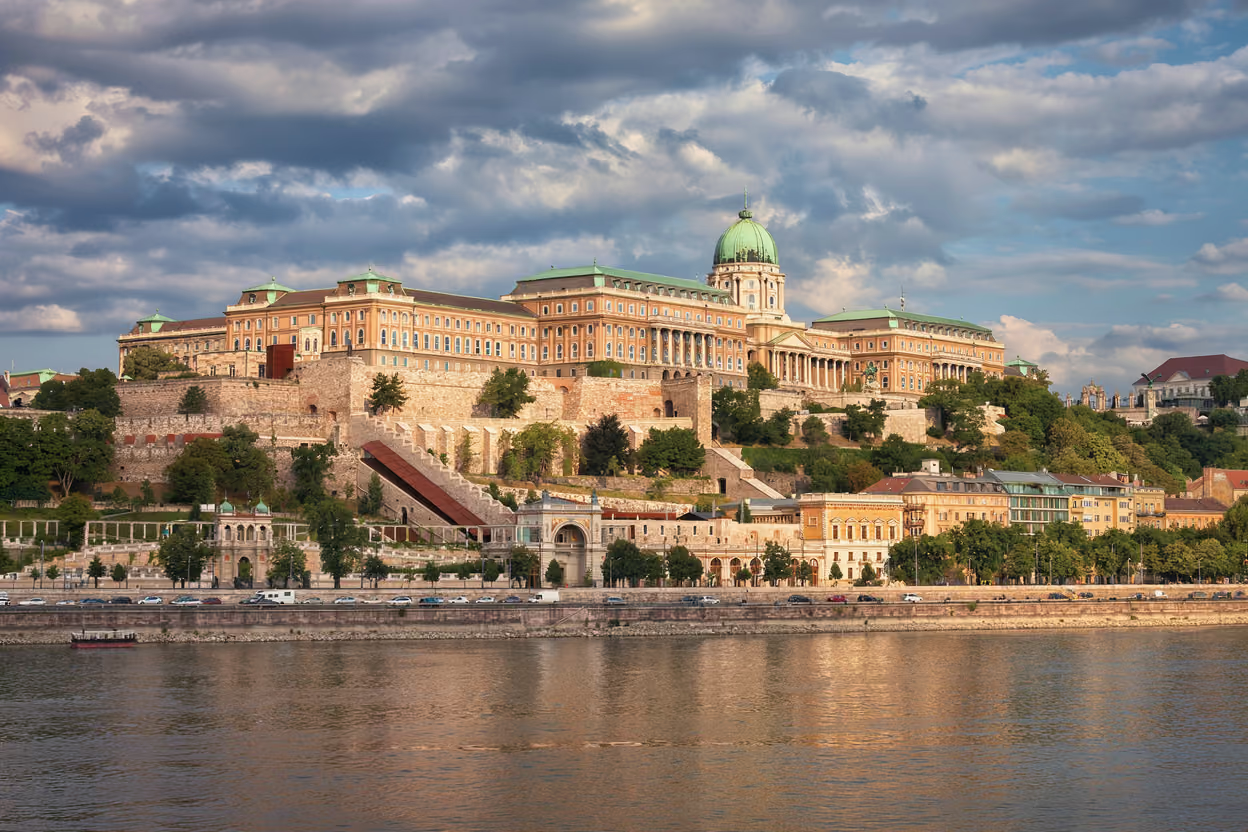
- Day 2: Visit Buda Castle, Matthias Church and Fisherman’s Bastion together; arrive early for quieter views.
- Day 3: Spend two to three hours at a thermal bath, then explore City Park or choose a more central market-and-river afternoon.
- A 2026 72-hour travelcard costs 5,750 HUF. The 100E airport bus costs 2,500 HUF one way and has separate ticket rules.
- Three days work well if you prioritize nearby sights, leave out some museums and build in breaks.
Budapest 3 Day Itinerary at a Glance
The three-day route, organized by area
| Day | Main area | Plan |
|---|---|---|
| 1 | Pest and the Danube | Parliament, Shoes on the Danube Bank, St. Stephen’s Basilica, central streets and a riverside evening |
| 2 | Buda Castle District | Fisherman’s Bastion, Matthias Church, Buda Castle and a relaxed evening back in Pest |
| 3 | City Park or central Pest | A thermal bath, followed by City Park and Heroes’ Square—or a central bath, market and Danube promenade |
This Budapest itinerary 3 days plan covers the city’s first-visit essentials, not every possible stop. Grouping sights by area saves time and avoids repeatedly crossing the Danube. The Castle District involves hills and uneven paving; the rest of the route is manageable on foot with public transport when you want it.
Is this itinerary actually doable?
Yes, for three full days. Treat it as a framework, not a checklist: enjoy the sights you care about and cut something if the day starts to feel hurried. A common question in Budapest itinerary Reddit discussions is whether a packed three-day plan is realistic. The useful consensus is to avoid racing from landmark to landmark: go to Fisherman’s Bastion early, make time for a bath and keep one evening for the river.
Day 1: Pest Highlights and an Evening by the Danube
Morning: Parliament and the Danube memorial
Start at Kossuth Lajos tér, where the Hungarian Parliament Building faces the river. If you want to tour inside, reserve a timed visit through the official Parliament visitor-ticket system before your trip. Tours have limited capacity, and it’s a mistake to build your morning around getting a same-day ticket.
Afterward, walk along the river to the Shoes on the Danube Bank memorial. Allow yourself a quiet moment here; it’s a small but moving memorial, not a stop to rush through on the way to the next attraction.
If a Parliament tour doesn’t fit your schedule or tickets aren’t available, the exterior and the surrounding square are still worth seeing. The M2 metro serves Kossuth Lajos tér, and tram 2 runs along the Danube-side route.
Afternoon: St. Stephen’s Basilica and central Pest
Head toward St. Stephen’s Basilica, then leave time to wander the nearby pedestrian streets and find lunch. This is a good point in the day to sit down rather than add a far-flung sight. If you want to go inside the Basilica or climb to its viewpoint, confirm admission and opening arrangements before you visit; seasonal schedules can change.
Central Pest is best enjoyed at an unhurried pace. Browse, stop for coffee, or take a break before returning to the river. You don’t need to add another major attraction to make this day feel full.
Evening: Choose a river walk or a cruise
Finish with a Danube-side walk and views toward the illuminated bridges and Buda. If you’d rather be on the water, book a cruise in advance, especially for a popular evening time. For a lower-cost alternative, tram 2 gives you a scenic ride along the Pest riverbank.
Keep the evening flexible. After a full day on foot, a relaxed meal and a short riverside stroll usually make more sense than crossing town for one more attraction.
Day 2: Buda Castle, Matthias Church, and Fisherman’s Bastion
Start early for Fisherman’s Bastion
Go to Fisherman’s Bastion early, ideally near sunrise if you enjoy photography or want a quieter view. The outdoor areas are generally accessible during the day, but some terraces have separate admission hours or seasonal restrictions. Check which parts are open before you set out.
Early is not just about photos: it also makes the Castle District feel calmer before the main visitor crowds arrive. Bring a layer in cooler weather, and don’t assume you can spend all morning on the terraces if access rules have changed.
Explore the Castle District at a comfortable pace
From Fisherman’s Bastion, visit Matthias Church and walk through the Castle District toward Buda Castle. These sights belong together, but give yourself time to look around rather than treating the area as a quick photo stop. Some paving is uneven, and the slopes add up, so comfortable shoes matter.
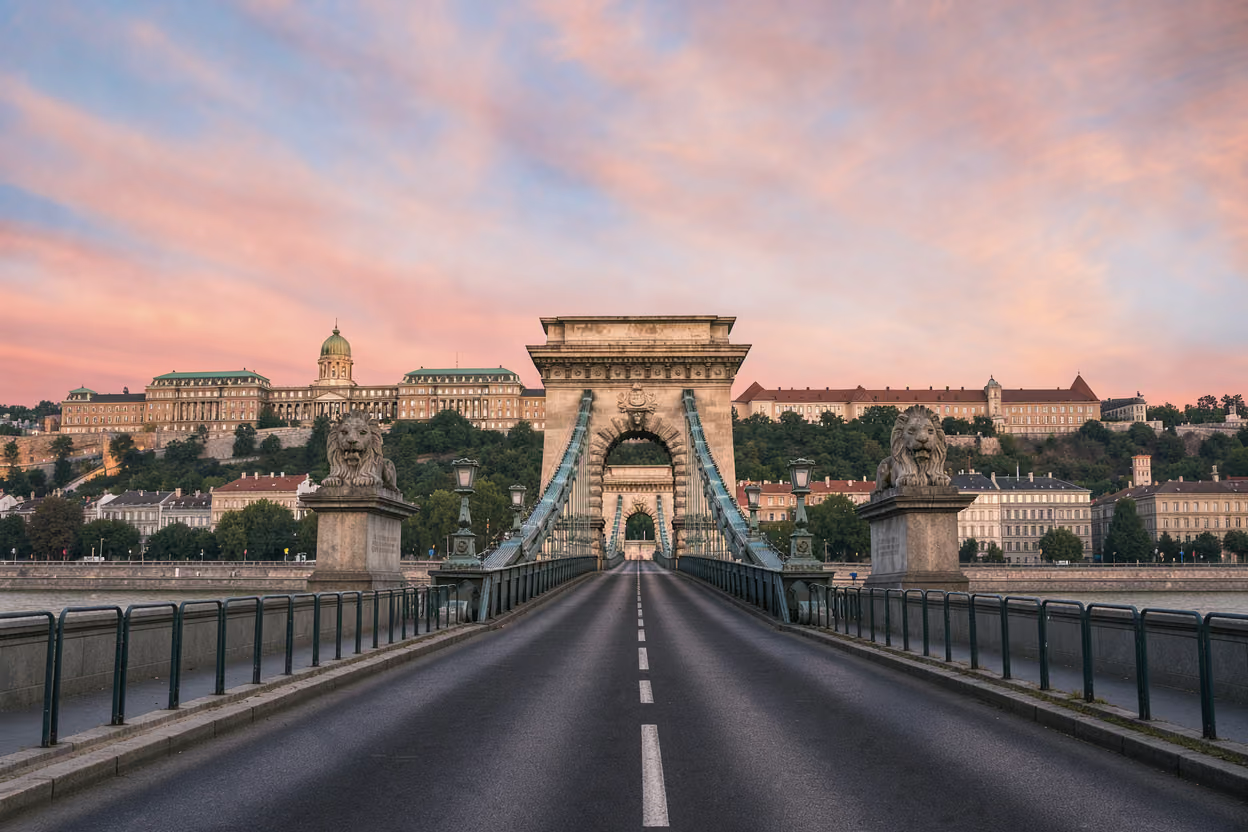
You can walk uphill from the Chain Bridge area, take a Castle District bus or use the funicular if it is operating and available. The walk is a good choice for anyone who wants to see the approach to the hill; the bus is a sensible alternative if you’d rather save your legs.
Choose one museum or interior visit if it genuinely interests you. Don’t try to fit several museums into the same block along with every viewpoint. The most enjoyable version of this day has time for a leisurely lunch and a pause to take in the city from above.
Leave the evening open
Descend toward the Chain Bridge, then return to Pest for dinner or another unhurried riverside evening. If you’ve been up early, you may want a quieter night. Avoid stacking Parliament, multiple museums and a long bath visit onto this day; they’re better spread across the itinerary.
Day 3: A Thermal Bath and a Slower Budapest
Choose a bath and check its current rules
Set aside two to three hours for a thermal bath, including time to change and find your way around. Admission varies by bath, day and locker or cabin choice. Check what is included and whether you need to bring or rent a towel and swimwear; popular baths can be busy during weekends and holiday periods.
Gellért Thermal Bath is closed for full renovation and is expected to remain closed until 2028. Do not plan a visit or try to book it. Consider Rudas, Széchenyi, Lukács, Veli Bej or Király instead. Each has its own facilities and operating policies, so choose based on location and the type of visit you want, then confirm the details on the bath’s official site.
Pair Széchenyi with City Park—or choose a central alternative
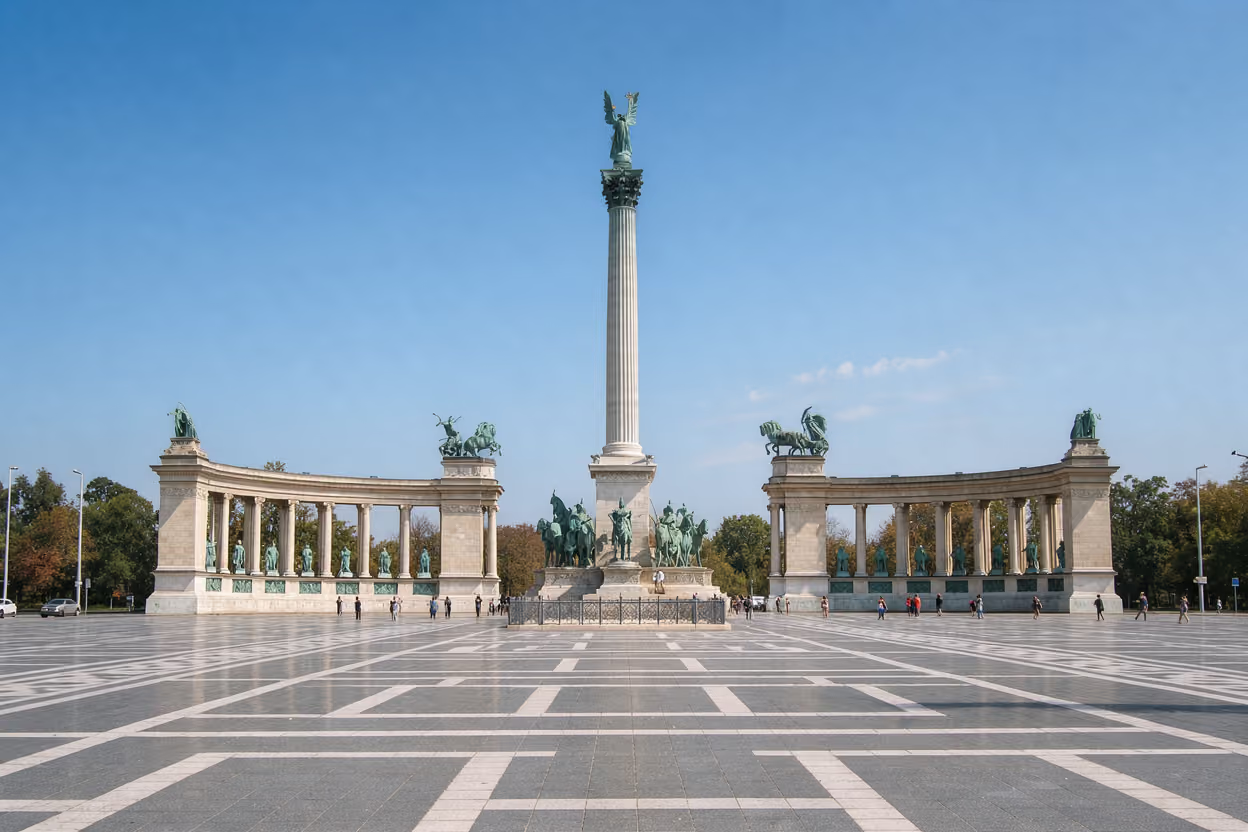
Széchenyi is the easiest bath to combine with an outdoor afternoon: take the M1 metro to Széchenyi fürdő, then walk through City Park and visit Heroes’ Square. This works especially well in pleasant weather. In winter, plan the outdoor part for daylight and keep the bath as your main anchor.
If you prefer to stay central, choose a bath in town and pair it with the Great Market Hall or a relaxed Danube promenade. The market is a daytime stop, not a late-evening option, and its holiday hours can vary. You don’t need to see both the market and City Park on this day; pick the combination that suits your bath and energy level.
Keep the final day flexible
Use a café, museum or extra neighborhood walk as a weather-proof alternative if it’s cold or wet. Don’t schedule a long bath visit close to your flight: leave a substantial buffer for the airport journey, check-in and security.
Budapest 3 Day Itinerary: Transport, Tickets, and Costs
Getting from the airport to central Budapest
The 100E Airport Express runs 24 hours a day between the airport and Deák Ferenc tér, with a stop at Kálvin tér. Its standard one-way ticket costs 2,500 HUF in 2026 and is for one uninterrupted trip on the 100E.
Eligible Budapest, Pest County or Hungary pass holders can buy a 1,000 HUF add-on ticket through BudapestGO. An ordinary single ticket or a regular travelcard does not replace the required 100E fare. You can buy the airport ticket in the app or use the onboard Budapest Pay&GO bankcard device.
Choosing a travelcard or single tickets
The right choice depends on how often you’ll use public transport. Many central sights are walkable, so don’t buy a pass automatically just because you’re staying for three days.
| Ticket or pass | 2026 price | Best for |
|---|---|---|
| Public-transport single ticket | 450 HUF | Occasional journeys; validate paper tickets as required |
| 24-hour travelcard | 2,750 HUF | A day with several trips across the city |
| 72-hour travelcard | 5,750 HUF | Frequent travel throughout a three-day stay |
| 100E airport ticket | 2,500 HUF one way | Airport-to-city travel on the 100E; separate rules apply |
These are BKK’s listed 2026 prices; fares can change. Applicable onboard single tickets cost 700 HUF, so buying before boarding is generally the better option when you can.
Buying and validating tickets
Buy tickets or travelcards in BudapestGO or from BKK machines. Paper single tickets must be validated when you board as required; inspectors fine passengers with unvalidated tickets. Use BudapestGO for route planning and the 100E ticket, or pay for the airport ticket with the onboard bankcard device.
Paying for food, attractions, and transport
Budapest uses the Hungarian forint (HUF); euros are not the default currency. Card payments are widely used, and paying in HUF is usually the better choice. If a card terminal offers to convert a charge to your home currency, decline dynamic currency conversion.
Parliament and bath prices vary by visitor category, date and ticket option. Check the official attraction or bath page for the current price and booking conditions rather than relying on an old estimate.
How to Adapt Your Budapest Itinerary for 2 or 4 Days
If you have only two days in Budapest
For a Budapest itinerary 2 days, combine Parliament, the Basilica and the Danube into one day, then spend the other in Buda Castle and at a thermal bath. Keep the bath visit manageable and skip less central museums. You’ll see the main contrasts between Pest and Buda, but plan meal breaks instead of trying to squeeze in every landmark.
If you have four days in Budapest
With a Budapest itinerary 4 days, keep the first three days at a comfortable pace and use the extra day for a museum, a longer bath visit or a half-day neighborhood walk. Adding a day is better than making the core route faster. It also gives you room to revisit a favorite area or move an outdoor plan if the weather turns.
December Timing, Common Mistakes, and Traveler-Tested Tips
Adjust for December daylight and weather
A Budapest itinerary 3 days December visit needs a little more attention to timing. Daylight is short and the weather can be cold, so schedule Fisherman’s Bastion and other outdoor viewpoints for daylight. Use a bath, café or museum as an indoor anchor, and check holiday opening dates and public-transport schedules before choosing the day’s order.
Avoid the most common planning mistakes
- Don’t assume you can tour Parliament without booking. Timed tours have limited capacity; reserve ahead if going inside matters to you.
- Don’t assume your travelcard covers the 100E. It does not replace the standard airport fare unless you have an eligible pass and buy the required add-on.
- Check bath requirements before arriving. Confirm locker or cabin options and whether towels and swimwear are included or need to be rented or brought.
- Wear comfortable shoes. The Castle District’s slopes and uneven paving can make a long day feel longer.
- Check menu and souvenir prices before ordering or buying in heavily visited areas.
- Use a licensed taxi service or a reputable booking channel. Avoid accepting unsolicited rides.
What traveler discussions often get right
People asking online if a three-day plan is “doable” are usually right to question an itinerary that schedules every hour. The fix is not to walk faster; it’s to choose one geographic cluster per day and cut optional stops when you’re tired. Many repeat visitors favor Fisherman’s Bastion early, a proper thermal-bath visit and an evening by the Danube. Those three moments fit this route without turning Budapest into a checklist.
Frequently asked questions
Is a Budapest 3 day itinerary enough for a first visit?
Yes. Three full days are enough for central Pest, the Buda Castle District and a thermal bath. It isn’t enough for every museum and neighborhood, so leave optional stops out rather than rushing through the main sights.
What is the best Budapest itinerary for 2 days?
Spend one day on Parliament, St. Stephen’s Basilica and the Danube, then use the other for Buda Castle and a bath. Skip less central museums and leave time for meals and transit.
Should I add a fourth day to my Budapest itinerary?
If you have four days, use the extra time for a museum, a longer bath visit or a neighborhood walk. Keeping the first three days relaxed is better than squeezing more into them.
What should I change for a Budapest itinerary in December?
Schedule outdoor viewpoints during daylight, and use baths, cafés or museums as indoor options. Check holiday opening dates and public-transport schedules before you go.
What do Reddit travelers recommend for a Budapest itinerary?
A recurring recommendation is to avoid racing through a checklist: visit Fisherman’s Bastion early, make time for a thermal bath and enjoy an evening beside the Danube. It’s practical advice because each fits naturally into a different part of this three-day route.
Is Gellért Thermal Bath open in 2026?
No. Gellért is closed for full renovation and is expected to stay closed until 2028. Choose Rudas, Széchenyi, Lukács, Veli Bej or Király instead, and check the chosen bath’s current rules before booking.
Three days in Budapest work best when each day has one main area and room for a proper meal, a break and an unplanned stop. Book timed attractions ahead, check current 2026 fares and opening details, and use this Budapest 3 day itinerary as a flexible plan—not a race.
Related guides
- Budapest 4 Day Itinerary
- Best Day Trips from Budapest by Train in 2026
- How Many Days in Budapest
- Things to Do in Budapest
- Buda Castle tickets and tours
- St. Stephen’s Basilica tickets
- Hungarian Parliament tickets and tours