12 Facts about Hungary's Parliament
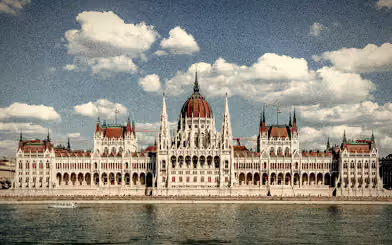
The Hungarian Parliament was built with 40 million bricks!
Construction used 40 million bricks. The building also contains half a million precious stones and 40 kilograms of 22- and 23-carat gold.
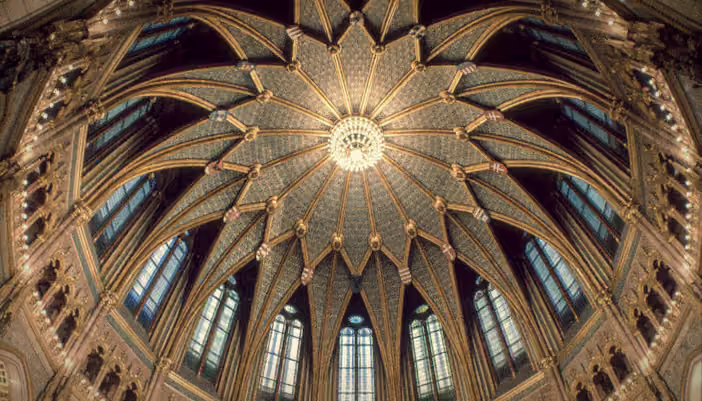
The building combines several architectural styles.
The Hungarian Parliament has a neo-Gothic design with Renaissance and Baroque features. This combination reflected Hungary's ambition to be seen as a modern European nation while drawing on its architectural heritage.
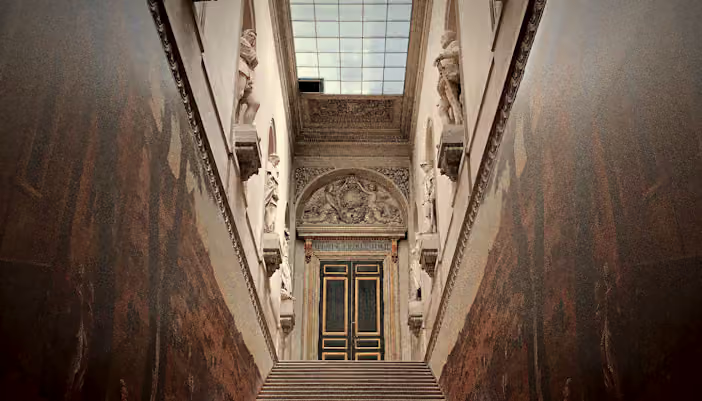
The Parliament sheltered a national treasure during World War II.
The building secretly housed the Hungarian Crown Jewels during World War II. The collection had historical and symbolic value, and the Parliament protected it during the war.
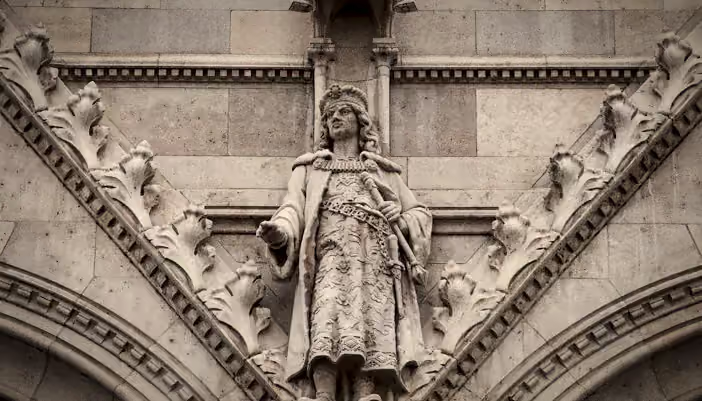
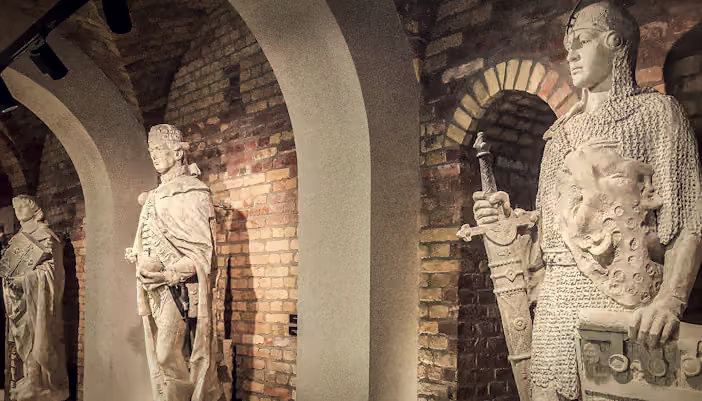
The Hungarian Parliament has 242 statues and sculptures.
The 242 statues depict Hungarian rulers, military figures, and Transylvanian leaders. Coats of arms appear on the façade. Inside, lions flank the staircase, and the building has ornamental stairs, ceiling frescoes, and a bust of architect Imre Steindl. Other statues honor Árpád, Stephen I, and John Hunyadi.
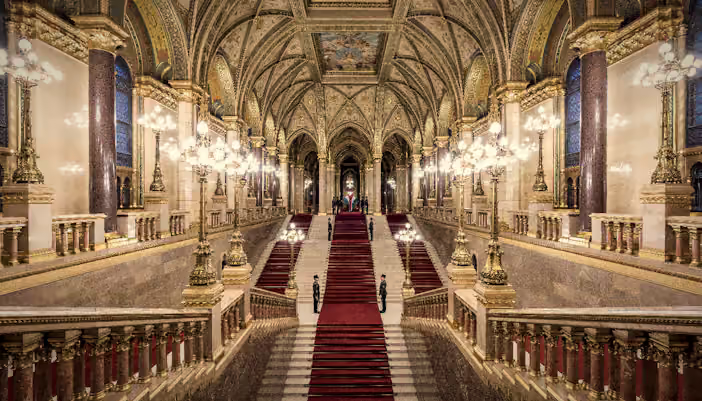
Numbers in the design carry symbolic meanings.
The Hungarian Parliament has 365 stairs leading to the dome, representing the days of the year, and 10 courtyards, reflecting Hungary's administrative divisions when the building was constructed. These numbers connect the building to Hungarian history.
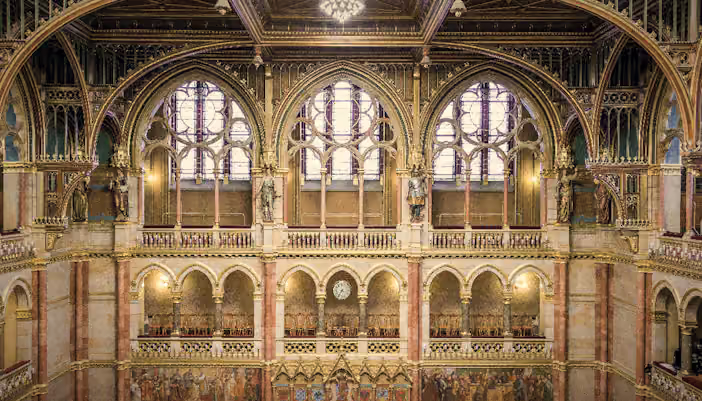
The building had a distinctive climate control system.
The Hungarian Parliament's heating and ventilation system was upgraded over time and still functions. In winter, a boiler in a nearby structure sends steam through pipes to heat the building. From the 1930s until 1994, ice blocks stored underground cooled it in summer. Architect Steindl apparently designed the system to avoid chimneys on the roof.
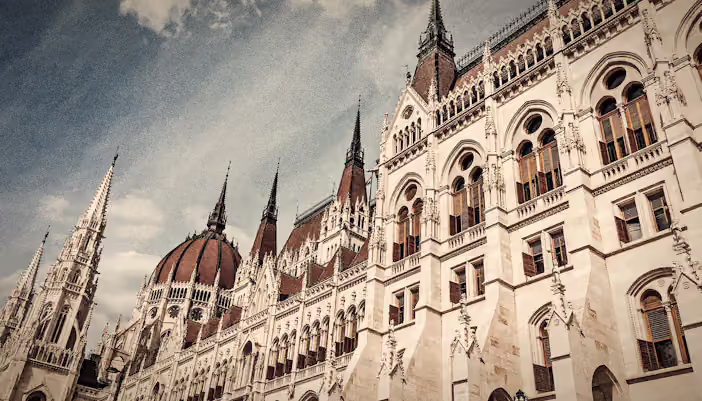
The building's height has a symbolic meaning.
The central dome is precisely 96 meters (315 feet) high. This height marks 896 AD, when the conquering Magyars arrived in the Carpathian Basin and laid the foundation for the Hungarian state.
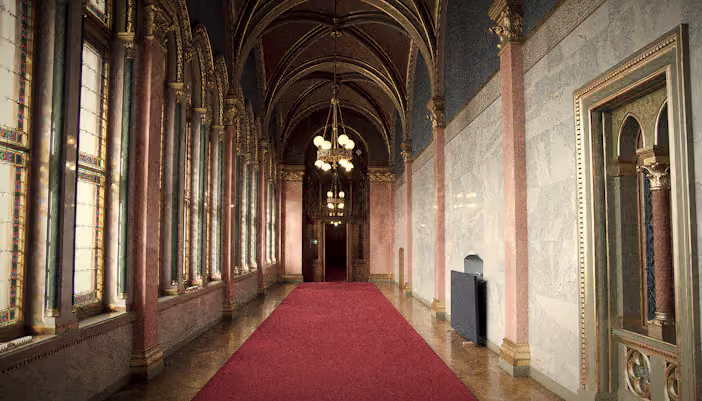
Carpet covers more than a kilometer inside the building.
The Hungarian Parliament's interior has over 1 kilometer (0.6 miles) of carpet. Hungarian artisans wove the carpets, which contribute to the building's opulent atmosphere and reflect Hungarian craftsmanship.
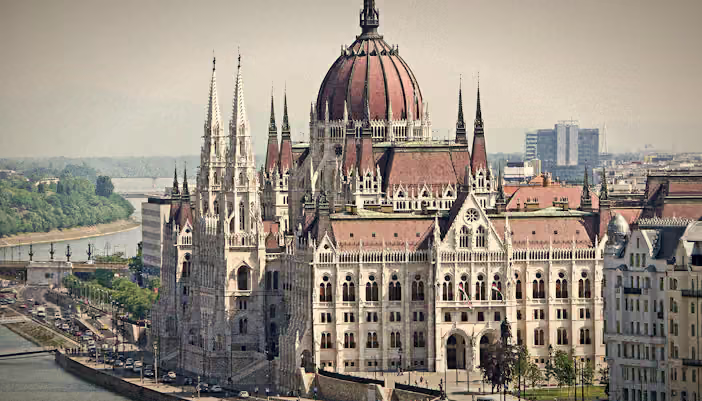
The Parliament's architect lost his eyesight during construction.
Imre Steindl's eyesight deteriorated while he was designing the Parliament building. Construction finished in 1904, two years after his death.
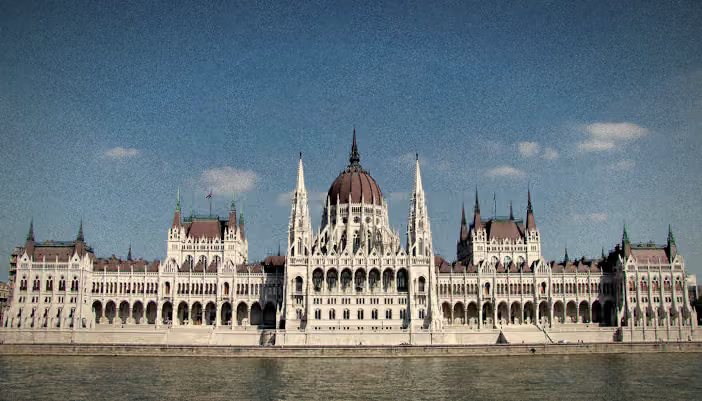
A Communist emblem once topped the Hungarian Parliament.
A red star was added to the dome in 1949, after World War II and the establishment of a communist regime in Hungary. It was seen as a symbol of Soviet influence. The star was removed in 1989, when communism fell, and the dome returned to its original design.
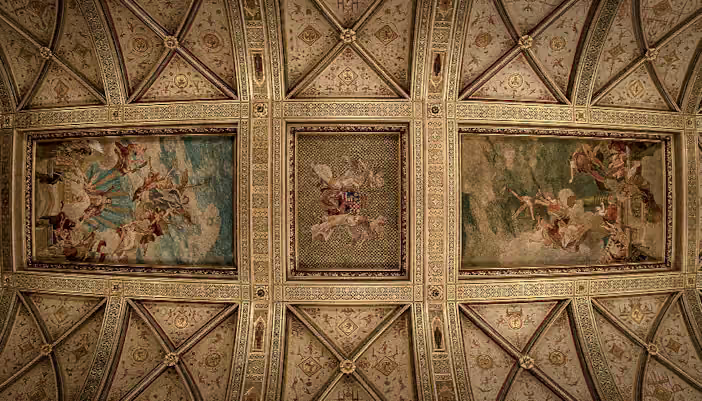
The Parliament building contains Hungarian art and crafts.
Hungarian artists created the building's frescoes, sculptures, stained glass windows, and tapestries. These works add to the interior's decoration and show Hungary's artistic heritage.
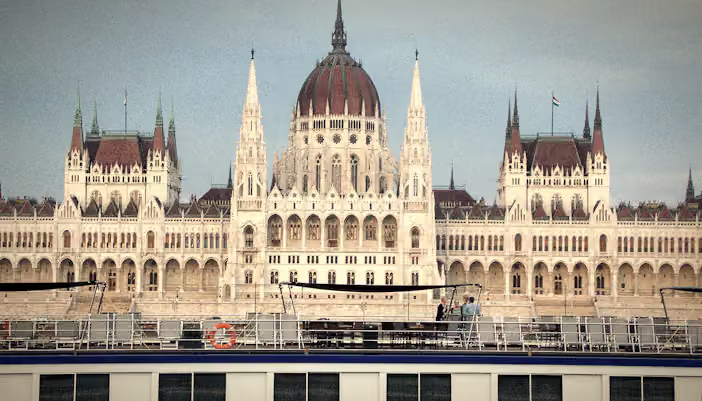
The building has two identical chambers.
The two chambers sit on either side of the central dome. Both originally served as legislative halls, one for the Upper House and one for the Lower House. Since Hungary adopted a unicameral system, one chamber has hosted parliamentary sessions, while the other has been used for ceremonies, conferences, and guided tours.
Common questions on Hungary’s Parliament
How much floor space does the Hungarian Parliament have, and how long does its facade measure?
At approximately 268 meters (879 feet), the Hungarian Parliament facade stretches; the building contains around 18,000 square meters of floor space.