Also called
Budapest Parliament
Opened
1902
Architect
Imre Steindl
Did you know?
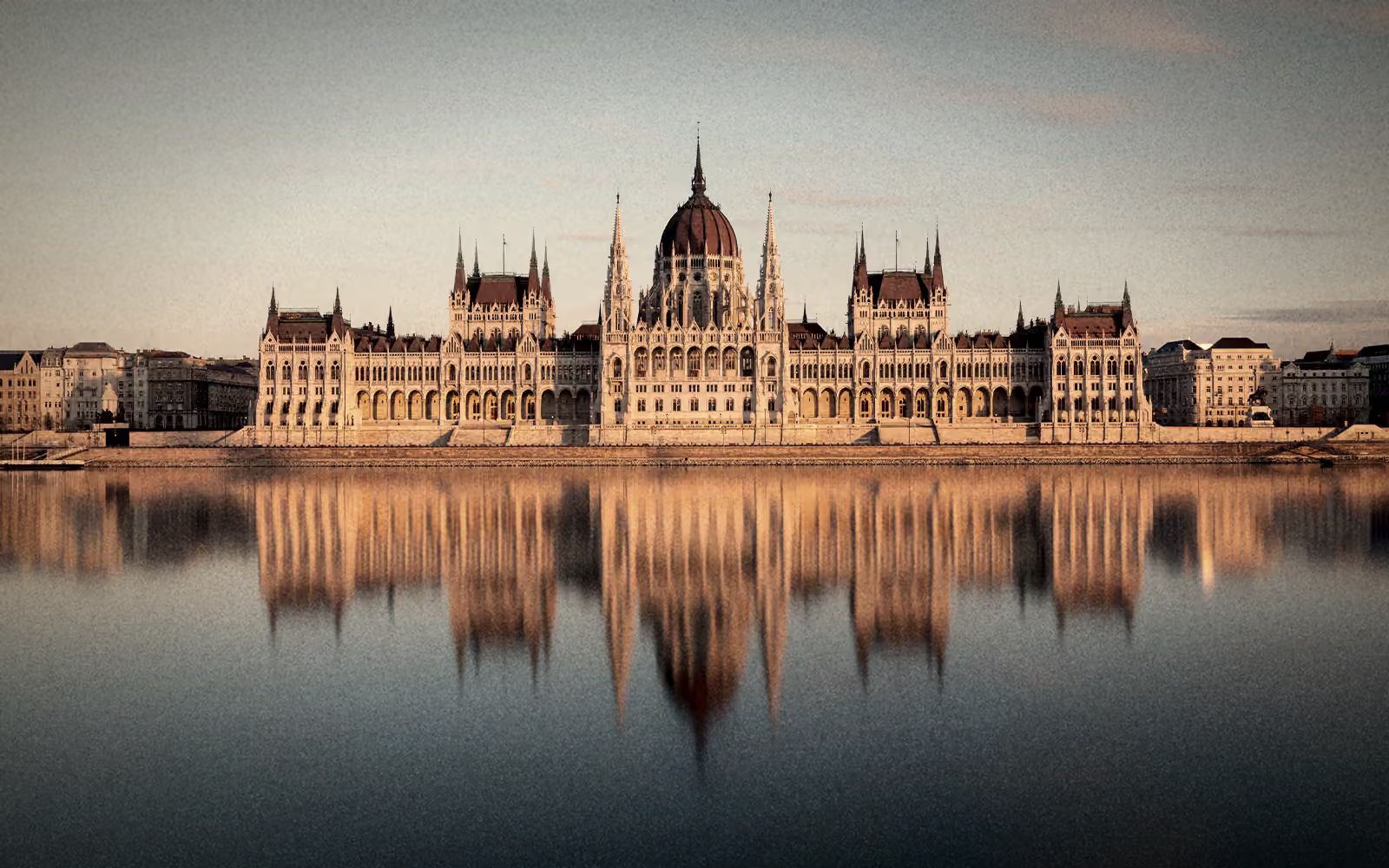
- The Hungarian Parliament combines Gothic Revival, Baroque and Renaissance design. This blend makes it a recognizable symbol of Hungary.
- Built in the early 20th century, the Parliament featured modern heating and ventilation systems. Both still work efficiently.
- About 40 kilograms of 22-carat gold adorn the Parliament's 691 rooms, giving the building a regal atmosphere.
Book tickets for the Hungarian Parliament
Hungarian Parliament Audio Guided Tour
Combo (Save 8%): Hungarian Parliament Guided Tour + Danube River Sightseeing Cruise Tickets
Combo (Save 8%): Hungarian Parliament Multilingual Audio Guided Tour + Széchenyi Spa Entry Tickets
Budapest Grand City Tour with Parliament Visit
What can visitors explore inside Budapest’s Hungarian Parliament building?
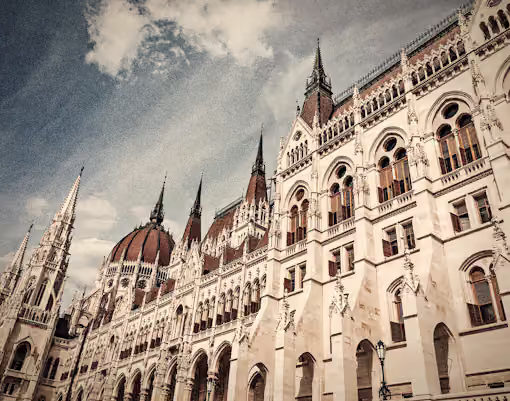
Architectural styles
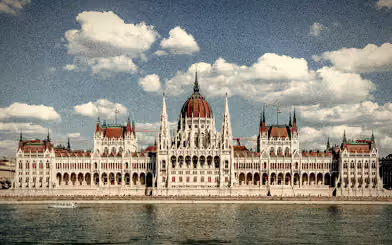
The Hungarian Parliament combines Gothic Revival, Baroque and Renaissance Revival styles. Its spires, pointed arches and detailed ornamentation are among the building’s defining features.
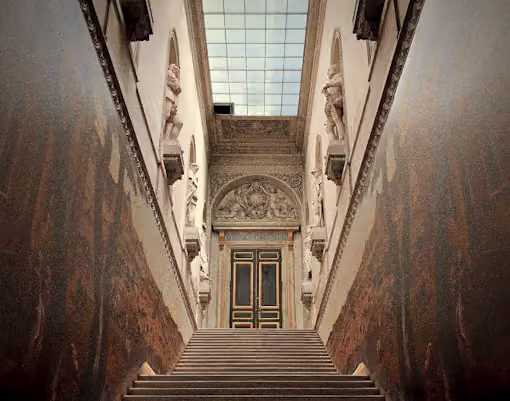
City Side Staircase XVII
The visit begins on City Side Staircase XVII, an ornate stairway with gold-plated decorations, statues and stained glass windows. The corridor looks out over Kossuth Square.
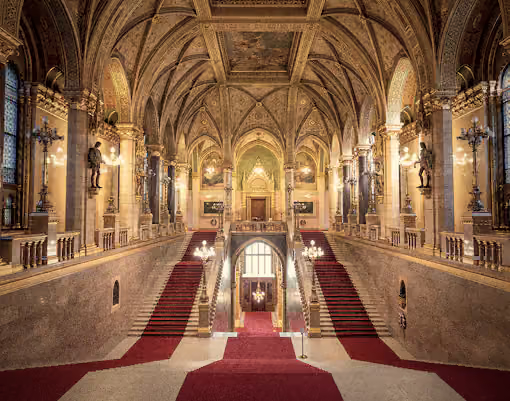
The Grand Stairway
The Grand Stairway has 96 red-carpeted steps leading to the Dome Hall. Along the way, visitors can see ceiling frescoes by Károly Lotz and stained glass windows.
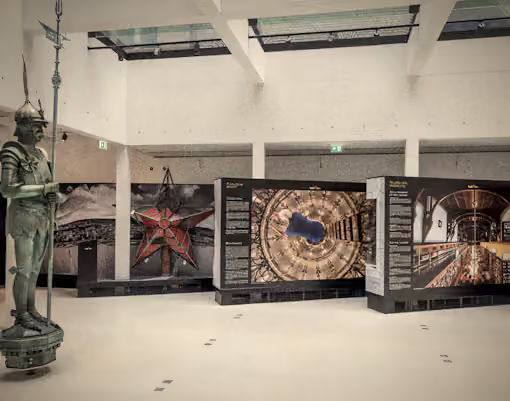
Béla Neÿ Hall
Béla Neÿ Hall presents information about the Parliament’s construction and history. Its exhibition includes a scale model and interactive screens with behind-the-scenes views of technology used over time.
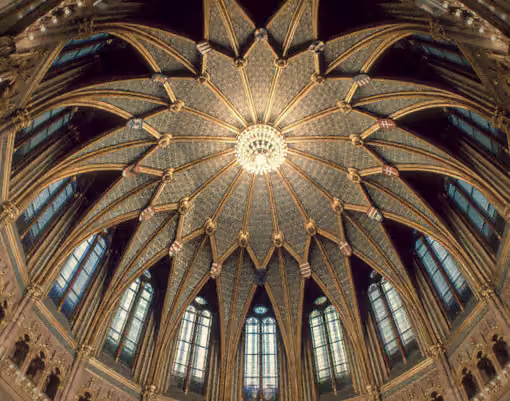
The Dome Hall
The Dome Hall is a symbolic centre of Hungary. The Hungarian Holy Crown and Coronation Insignia are kept there under round-the-clock guard by the Crown Guard of the Hungarian Armed Forces. They are part of Hungary’s heritage and traditions.
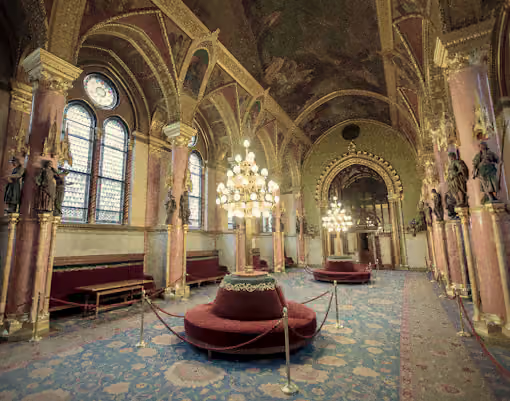
Lounge of the Chamber of Peers
The Lounge of the Chamber of Peers contains pyro granite sculptures and Europe’s largest hand-knotted carpet. Its interior has an elegant design associated with Hungary’s aristocratic past.
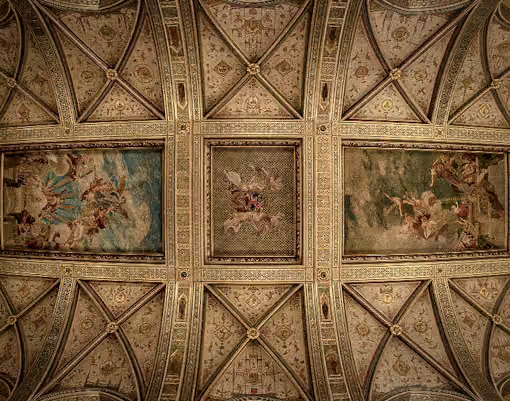
Paintings
The Parliament Building’s painting collection includes scenes of historical events, landscapes and notable figures. It includes works by Gyula Benczúr, Bertalan Székely and Tivadar Kosztka Csontváry.
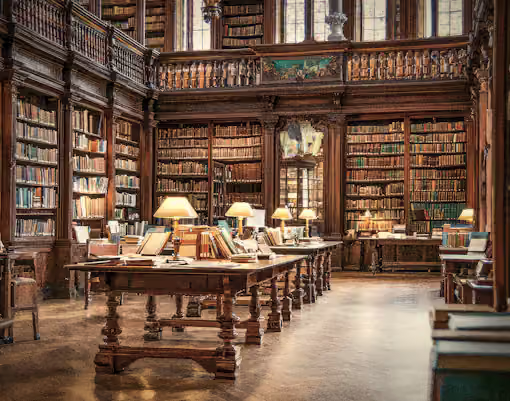
Budapest Parliament library
The Hungarian Parliament Library is inside Budapest’s Parliament building and holds one of Hungary’s richest collections of parliamentary, legal and historical materials. Its neo-Gothic rooms and centuries-old archives serve researchers and history lovers.
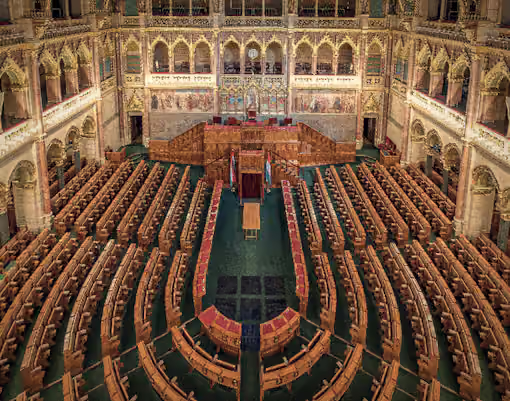
Chamber of Peers
The former Chamber of Peers now hosts conferences and meetings. Its hall has oak panels, gold-plated decorations and historical murals.
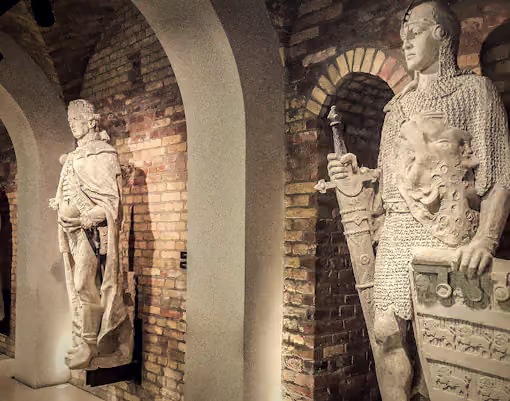
Sculptures and statues
Sculptures and statues throughout the Parliament building depict Hungarian monarchs, political leaders and allegorical figures. The courtyard includes statues of King Saint Stephen and Francis II Rákóczi.
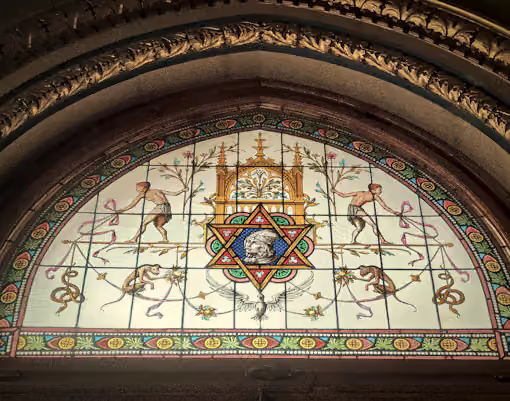
Stained glass
The Budapest Parliament building has more than 100 stained glass windows created by Hungarian artist Miksa Roth. They depict scenes from Hungarian history and mythology.
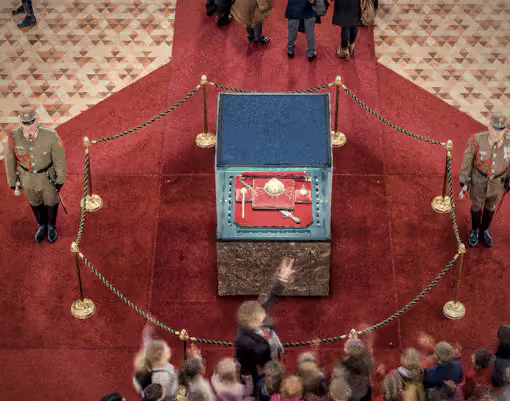
The Crown Jewels
The Crown Jewels on display include the Holy Crown of Hungary, the Coronation Sword and the Orb. They are kept in the Dome Hall under guard.
Tracing the Hungarian Parliament's Past
1867: The Diet of Hungary, the governing body, decided to build a new parliament as a symbol of sovereignty and national identity.
1885: Construction began on the Hungarian Parliament building, designed by Imre Steindl in the neo-Gothic style.
1896: The building opened in the year marking 1,000 years since the country's founding.
1904: The Hungarian Parliament building was completed after Imre Steindl's death.
1944: The Hungarian Parliament building was damaged during World War II.
1945: The Hungarian Parliament building was restored.
1989: With democracy embraced in Hungary, the Parliament building took on a new role as the home of the reformed Hungarian National Assembly.
Present: Today, visitors are drawn to the Hungarian Parliament building, which stands as an emblem of the country's political and cultural heritage.
Explore the Parliament's history
Who was responsible for constructing the Hungarian Parliament building?
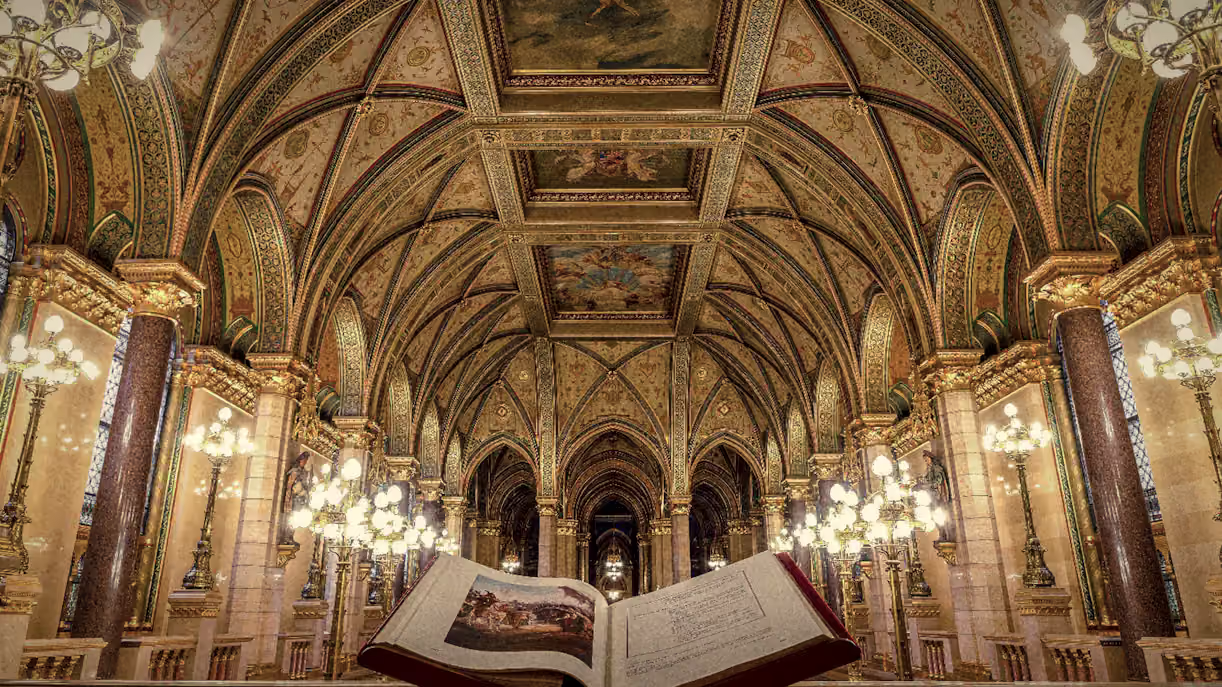
- Hungarian architect Imre Steindl designed the Hungarian Parliament Building, combining Gothic Revival, Baroque and Renaissance Revival styles. Construction lasted 18 years, from 1885 to 1904, and included 691 rooms, 29 staircases and 10 courtyards.
- Steindl's interest in Gothic design is evident throughout the building. He also designed Budapest landmarks, including the Hungarian National Museum and the Hungarian Academy of Sciences.
- Steindl lost his sight in 1902 and died before the Parliament building was completed and opened in 1904. His work remains part of Hungary's cultural heritage and is recognised nationally and internationally.
The architecture of Budapest's Parliament
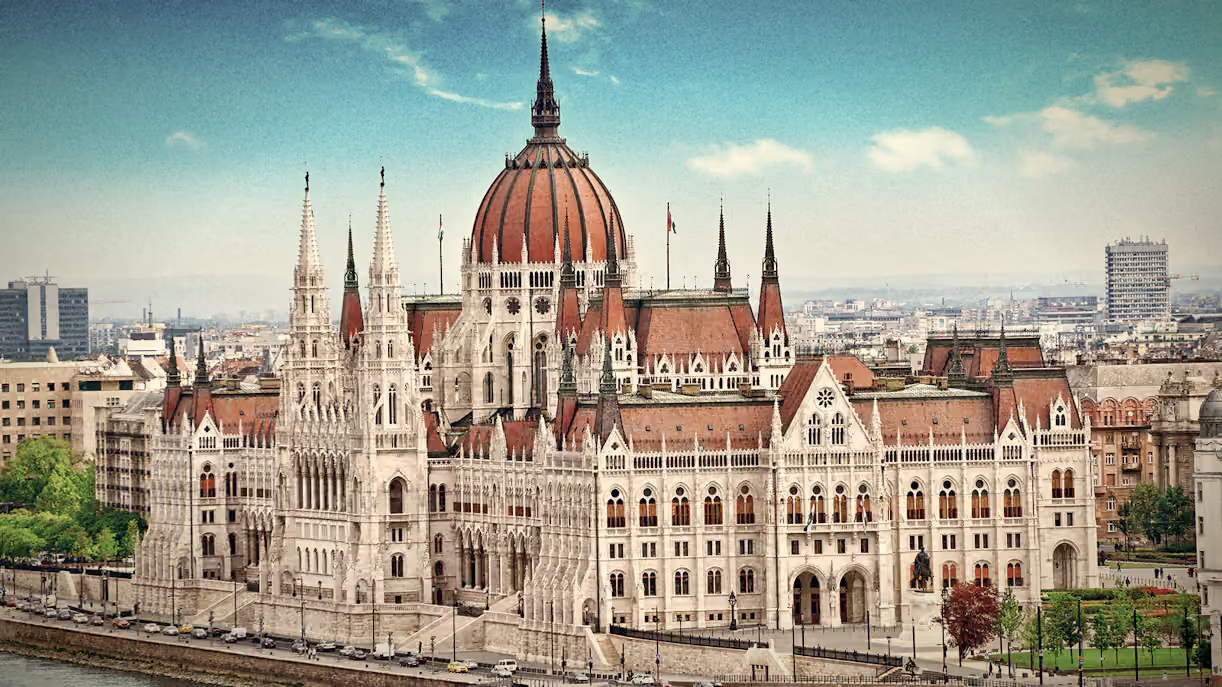
- The Hungarian Parliament combines Gothic Revival, Baroque and Renaissance Revival styles, with detailed ornamentation throughout. Its symmetrical facade is visible from a distance, with spires, arches and statues adorning the exterior.
- At 268 feet tall and with 691 rooms, it is the world's third-largest parliament building, after London's Palace of Westminster and Berlin's Reichstag Building.
- The interior features chambers, staircases and gold accents. The dome offers panoramic views of the city and the Danube. The building attracts visitors interested in history and architecture, as well as those seeking photographs for Instagram.
Common questions about the Hungarian Parliament building
Should you visit the Hungarian Parliament?
Yes. A visit gives visitors insight into Hungary's political history, the building's architectural grandeur and the country's cultural heritage. The Hungarian Parliament guided tours explain the building and its place in Budapest.