Alternative names
Matthias Church
Worth knowing
- King Matthias Corvinus is the source of the church’s popular name, and his coat of arms is displayed on its tower.
- A church ticket remains valid throughout the calendar year selected for it, rather than being limited to a single day.
- Hungarian, English, Italian, and Polish are the languages listed for the official audio guide.
Explore Matthias Church tickets and tours
Matthias Church Entry Tickets
Should you visit Matthias Church?
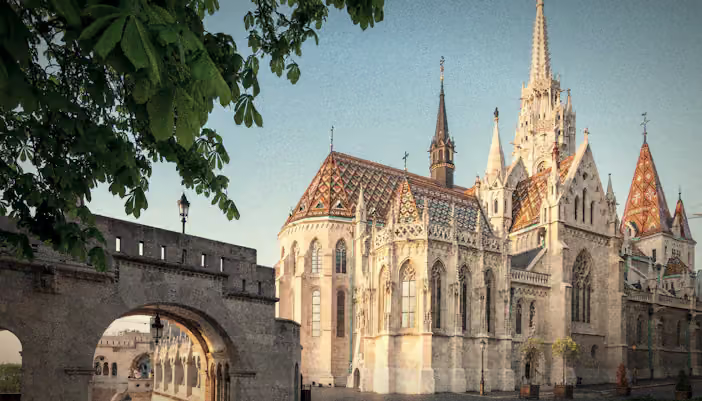
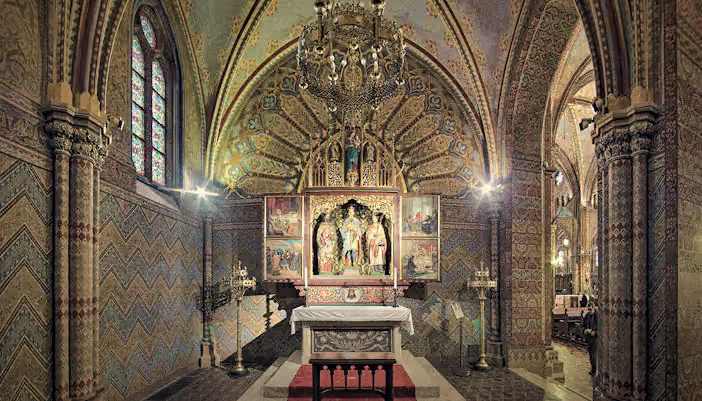
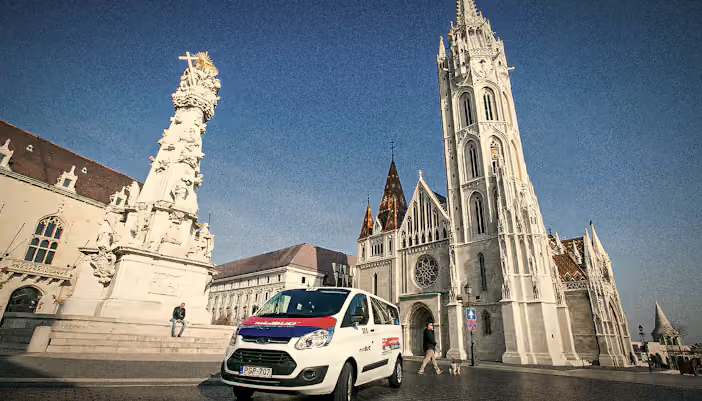
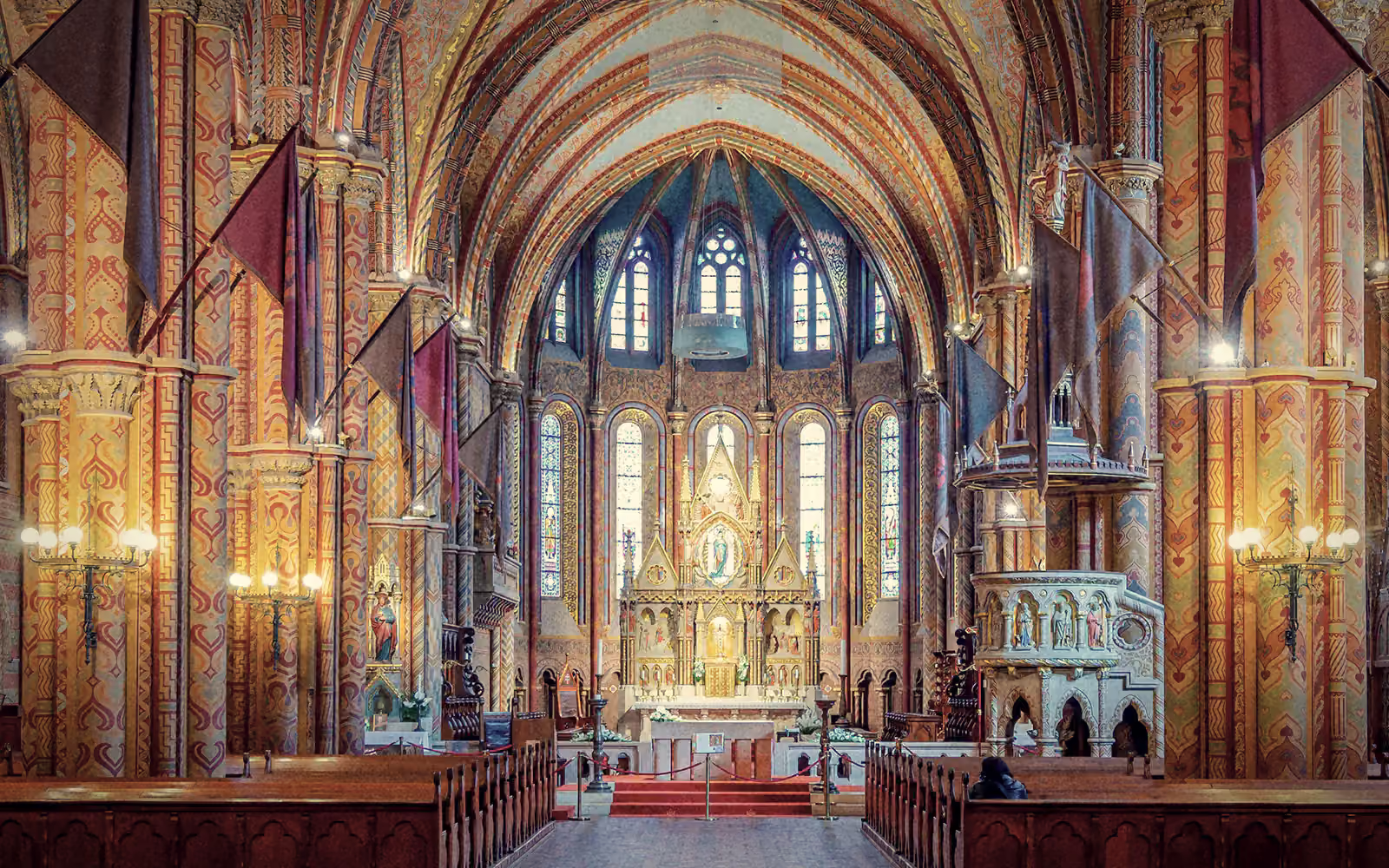
Outside Matthias Church, Holy Trinity Square is busy with cameras and tour groups, and offers wide views across the Castle District. Inside, softer light falls on painted walls, patterned columns and stained glass. The space feels more like a jewel box than a vast cathedral.
Built as Buda’s Church of Our Lady, it later became a royal and coronation church. Its history gives the interior a ceremonial feel beyond what its size might suggest. A 19th-century Gothic Revival restoration shaped the church’s present appearance, adding color, pattern and surface detail.
What stays with you is the atmosphere of the interior: here, Catholic ritual and Hungarian state history once occupied the same space. Its impact comes from that setting, not from a single monumental feature.
If church interiors do not interest you and your goal is to see free viewpoints, you can leave the church off your itinerary. The square alone provides a sense of the Castle District.
Read the Matthias Church visitor guide
Which features should you look for inside Matthias Church?
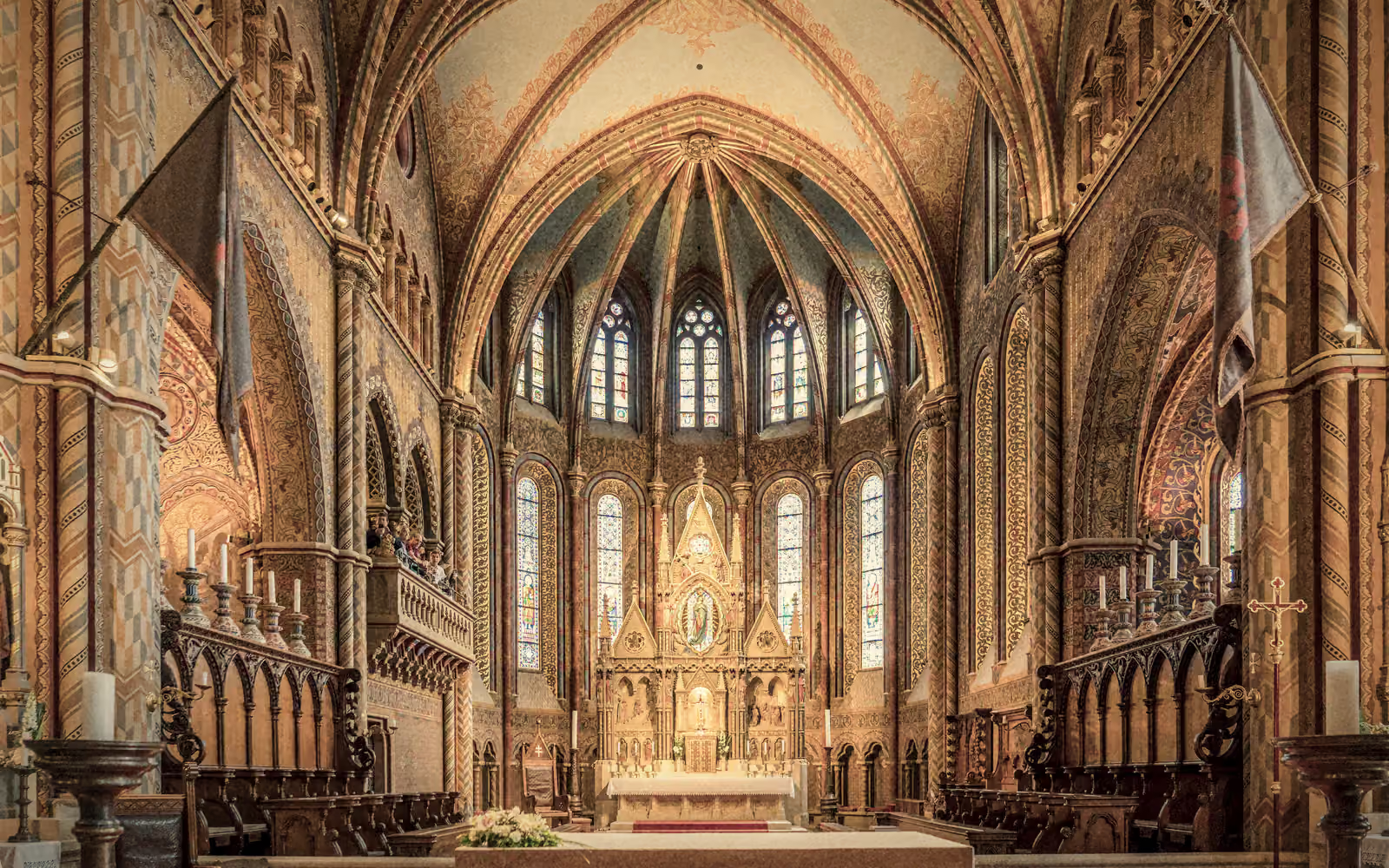
Explore the church’s central aisle
Take in the room as a whole before setting off again; a quiet pause reveals the church’s scale. Its patterned walls, arches and painted surfaces are easier to appreciate from a still vantage point.
Plan your route through Matthias Church
How long should your visit take?
For the church alone, set aside 45-60 minutes. Allow as much as 90 minutes if you plan to linger with the stained glass, side chapels and painted details. A tower visit requires a separate timed ticket, so add roughly 30 minutes if you have booked one.
A suggested sequence for your visit
Begin in Holy Trinity Square with a look at the exterior, including the roof and tower silhouette. Inside, walk through the main nave, then spend time with the stained glass, side chapels and decorative surfaces. Visit the tower last.
Highlights to look out for
From the painted nave and decorative wall patterns to the stained-glass windows, there is plenty to take in. Remember to look upward at the vaulting, too. Climbing the optional tower takes about 30 minutes and offers a viewpoint as a further part of the visit.
Nearby sights to include
Just steps from the church, Fisherman’s Bastion makes a natural addition and takes another 20-40 minutes. Those carrying on across Castle Hill can explore the broader Buda Castle area, creating a compact half-day route.
Would you prefer a guide or your own pace?
Exploring on your own works well because the church is compact and easy to take in without a guide. A guide can explain the Castle District as a whole, including its royal and coronation context, which may not be clear from the interior alone. Go at your own pace if you want to browse, photograph details and keep your day flexible.
Explore the interior of Matthias Church
A short history of Matthias Church
- Mid-13th century: King Béla IV establishes the church during Buda’s rebuilding after the Mongol invasion. It becomes one of the city’s major medieval religious buildings.
- 1384: The south-west tower collapses during mass, changing the building’s architectural history.
- 15th century: King Matthias Corvinus oversees rebuilding and strengthens the church’s royal associations. These associations give rise to its popular name.
- 1541–1686: During Ottoman rule in Buda, the church is used as a mosque rather than a Catholic church.
- 19th century: Frigyes Schulek leads a restoration in an ornate Gothic Revival style. Much of the building visitors see today dates from this work.
- Today: Matthias Church is an active Catholic church and one of the Castle District’s most important historic interiors.
The architectural design of Matthias Church
Matthias Church has a steep roof, a tall tower and a compact outline that stands out against the Castle District skyline. Inside, painted patterns and stained glass cover the surfaces, replacing the impression of bare stone. The church began as a Gothic building, but much of its present appearance comes from a 19th-century Gothic Revival restoration. Painted surfaces across the vaulting and nave give the interior a ceremonial feel. Decoration, rather than the room’s scale, draws the eye.
Who was responsible for building it?
Matthias Church was established under King Béla IV as medieval Buda was rebuilt. Much of the church visitors see today reflects architect Frigyes Schulek’s 19th-century restoration. His work reshaped the building in a decorative Gothic Revival style that connects it visually with the surrounding Castle District.
Matthias Church and the history of Hungary’s state
Matthias Church sits near the center of Hungary’s royal history in the Castle District. As Buda’s ceremonial church, it was used for coronations and dynastic symbolism, and served as a public setting for power as well as private worship. Its history gives the building a formal feel, even on a short visit. The church was a place where monarchy, religion and national identity repeatedly met in view of the city.
Arrange your Matthias Church visit
Matthias Church: answers to common questions
Does a church ticket allow multiple entries in one day?
No. A standard Matthias Church ticket covers just one entry. After exiting, you cannot go back inside. For both exterior photos and a complete interior visit, see the square and Bastion views before making the church your final stop.