Other names
Budapest's Royal Palace
Did you know?
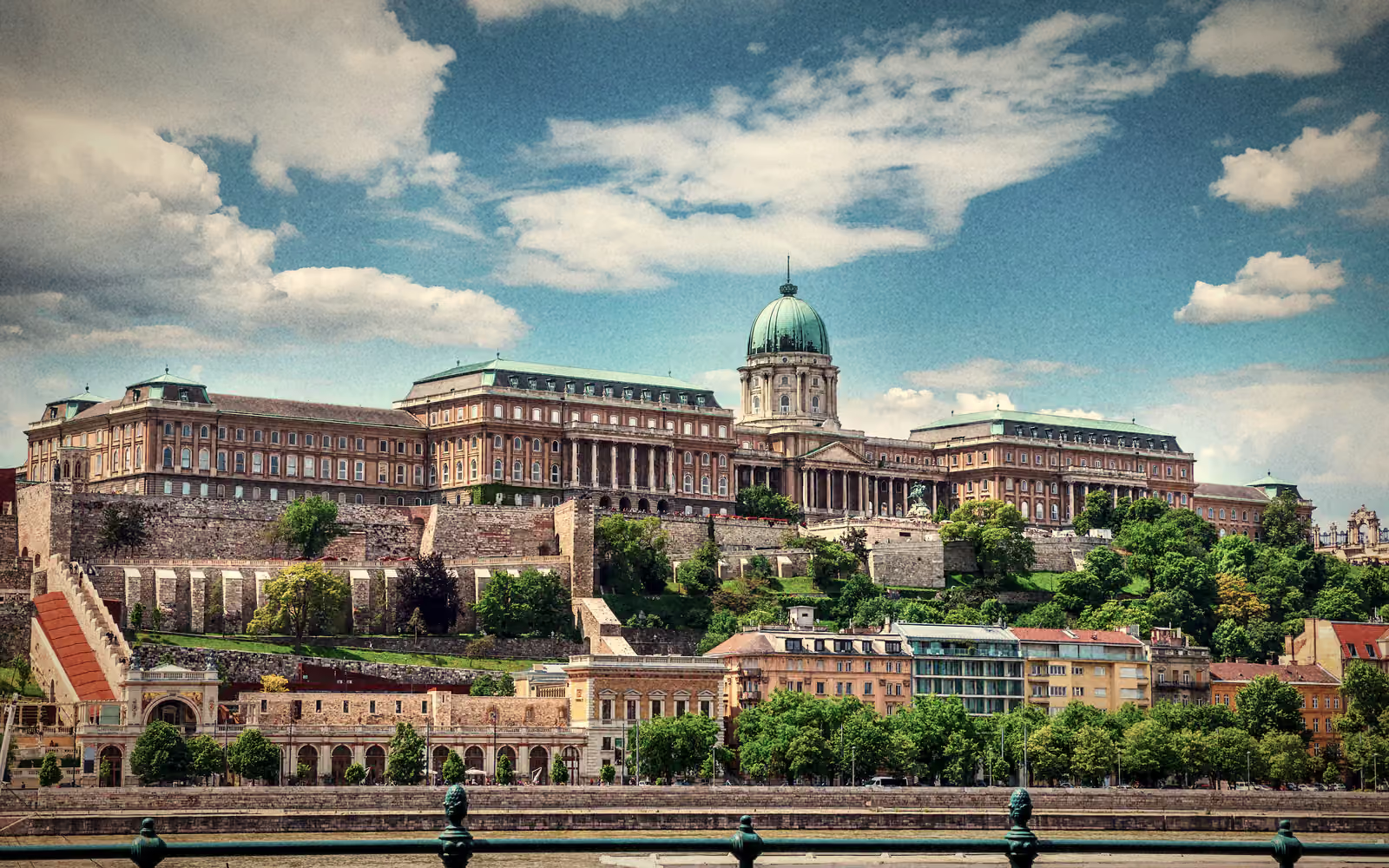
- Rebuilding over the centuries transformed Buda Castle, whose history began in the 13th century, into the Baroque complex seen today, a style established by the mid-18th century.
- Visitors will find three institutions within the castle grounds: the Hungarian National Gallery, Budapest History Museum, and National Széchényi Library. Together, they make the site a cultural hub.
- Since 1870, the Castle Hill Funicular has taken passengers uphill in vintage wooden cars, giving them a scenic journey on a steep route to the castle.
Explore Buda Castle tickets and guided tours
Buda Castle Vampires & Myths Guided Evening Walking Tour
Tickets to Hungarian Royal Guard Exhibition & Royal Riding Hall with a 3-Course Meal in Buda Castle
Budapest all in 1: 3-Hour Guided Bus Tour & 1-Hour Danube River Cruise
Budapest Guided Walking Tour of the Castle District
Budapest Grand City Bus Tour with Castle Hill Walk
Should you add Buda Castle to your itinerary?
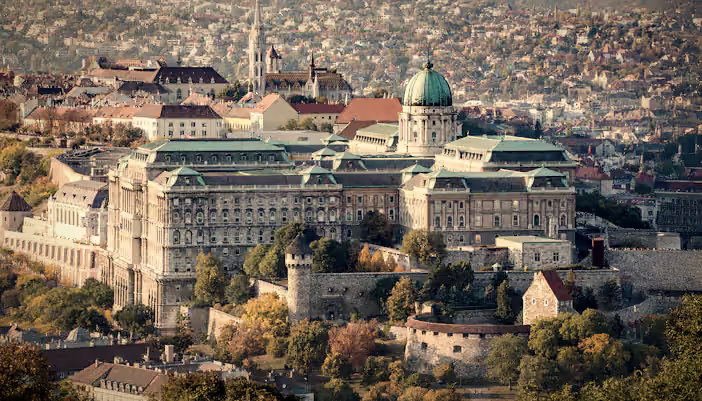
From Castle Hill, Budapest seems to recede below you. Wind sweeps across the terraces, church bells carry over the cobblestones, and the Danube stretches out below in a broad silver ribbon. Buda Castle is a collection of courtyards, stairways and viewpoints on high ground, rather than a single monument.
Buda Castle was built to protect and project royal power. It was rebuilt repeatedly as Hungary changed hands, dynasties and political eras. The complex feels layered, with each courtyard bearing traces of an earlier version of the city.
A visit takes you through Budapest's political, artistic and military history on foot, with views of the city's skyline along the way.
Skip it if: The effort of navigating steep slopes and cobbled paths between far-flung sights outweighs the appeal for you.
Which sights await at Buda Castle?
Gateways and palace courtyards
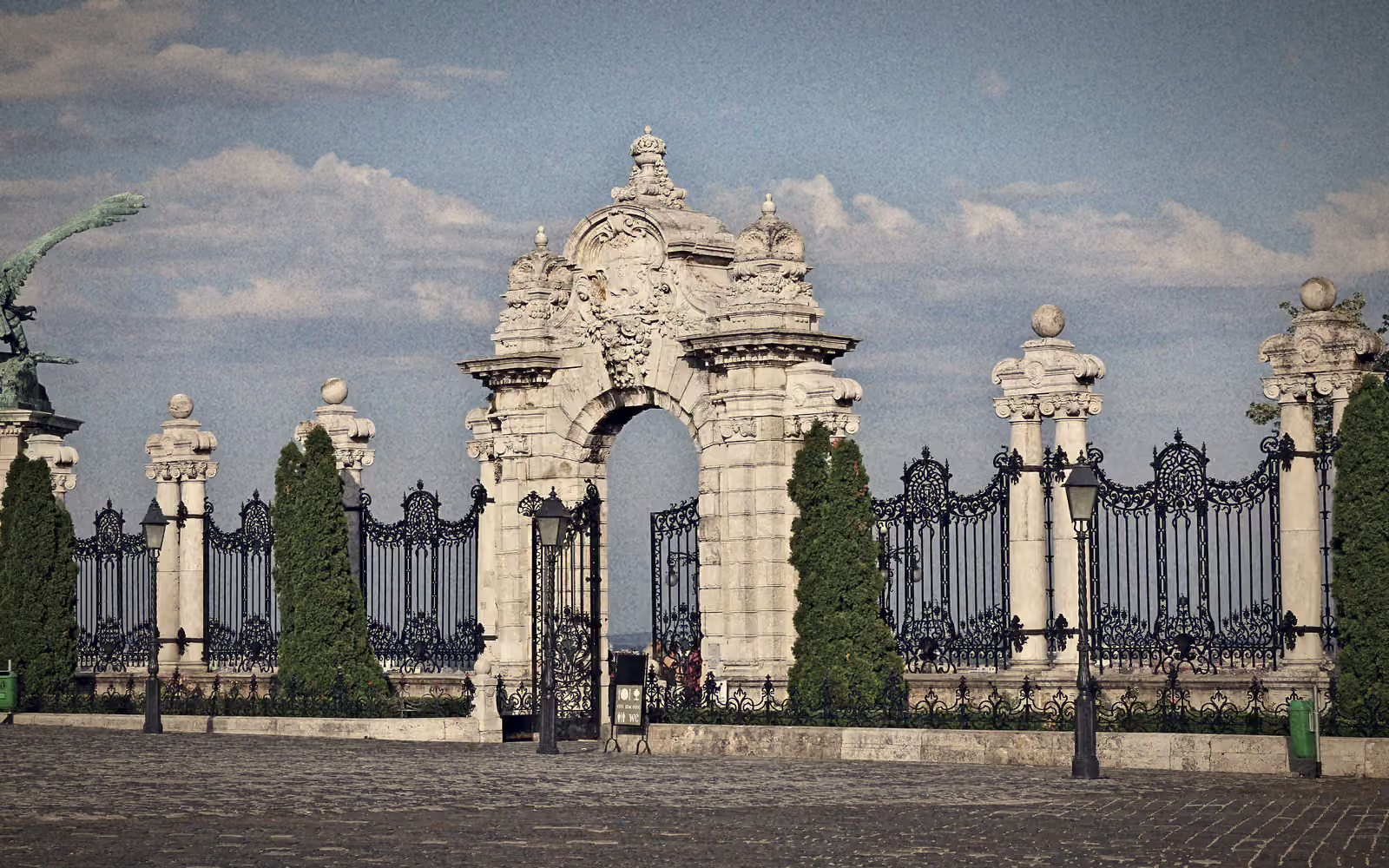
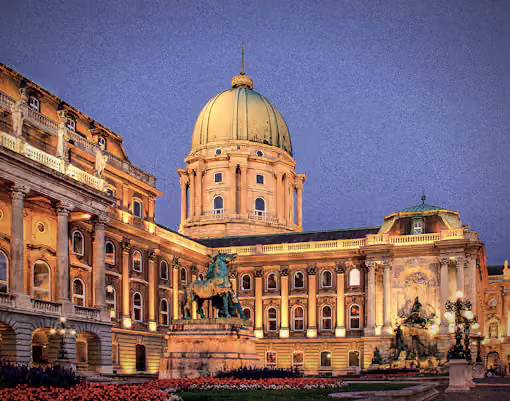
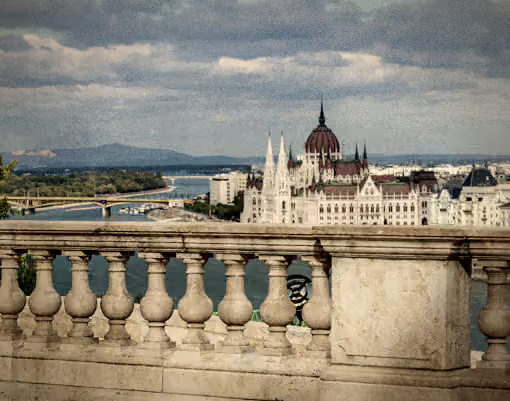
With no admission cost, the outdoor areas are an easy place to begin: take in the Habsburg Gate, Lion Courtyard, and the expansive palace terraces. These grand spaces also open up far-reaching vistas across the Danube to the Pest skyline.
Planning your visit to Buda Castle
A practical route
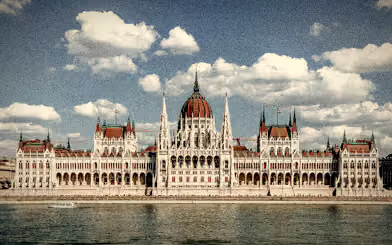
Make your way to the castle early, using the bus or funicular, and explore outside before spending time indoors. Begin with the terraces and courtyards, when gentler light and clearer Parliament views make them especially appealing; afterwards, focus on one major museum instead of trying to hurry through both. As the biggest tour groups start to disperse, head to the southern terraces or wander the streets of the nearby Castle District.
How long to set aside
Your visit to Buda Castle may take 2–4 hours, according to how much of it you devote to outdoor spaces and museums. Around 2 hours is enough for the terraces, courtyards, and principal viewpoints. For a visit that includes the Hungarian National Gallery or the Budapest History Museum, allow an additional 1–2 hours.
Priorities and extras
- Must-see: Make time for Savoy Terrace and the palace courtyards, then select either the Hungarian National Gallery or the medieval rooms at the Budapest History Museum.
- Optional: For further insight into court life, visit the Royal Guard Exhibition and Royal Riding Hall; plan on about 45–60 extra minutes.
With a guide or independently
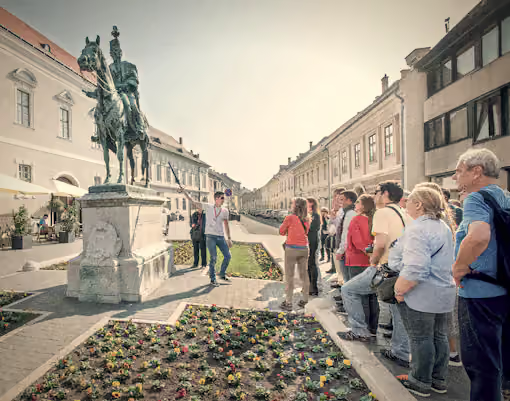
Because the palace’s layout is no longer self-explanatory, a guided tour can clarify how the rebuilt facades, vanished royal rooms, and dispersed historical layers fit together. Outdoor signage seldom provides the same level of explanation.
A short timeline of Buda Castle
- 1247–1265: Following the Mongol invasion, which revealed Buda’s defenses were inadequate, King Béla IV commissioned a fortified royal residence on Castle Hill.
- 14th–15th centuries: Under Sigismund and Matthias Corvinus, the palace grew into a leading royal court in Central Europe, with Gothic and early Renaissance features.
- 1541: Buda fell to Ottoman forces; from then on, the castle saw extended military use and deterioration.
- 1686: During the siege accompanying the Habsburg recovery of Buda, the medieval palace suffered extensive damage.
- 18th century: A Baroque rebuilding reshaped the complex and established much of the hilltop palace’s current scale and formal arrangement.
- 1944–1945: The castle was again devastated in World War II combat. Extensive rebuilding after the war turned it into a museum complex.
- Today: Within Budapest’s UNESCO-listed Castle District, Buda Castle is home to the Hungarian National Gallery, the Budapest History Museum, and major cultural exhibitions.
How Buda Castle is designed
Architectural style
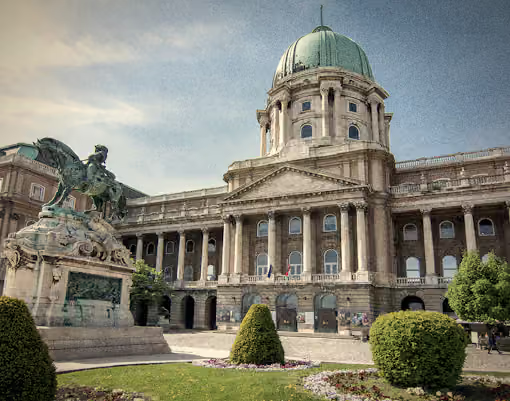
Although Baroque characterizes the palace as it stands today, medieval and Renaissance remnants also inform the hilltop layout and remain visible below.
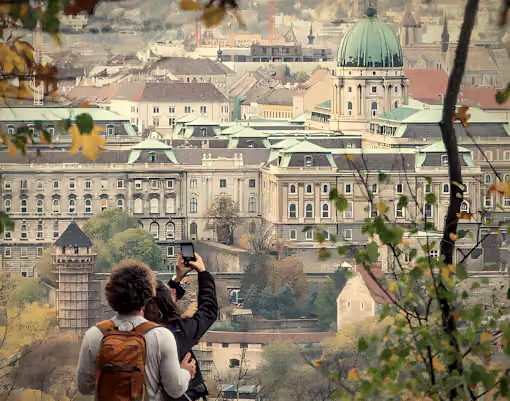
Building materials
Its pale, formal appearance from the Danube comes from stone and brick, stuccoed facades, copper roofing, and expansive limestone terraces.
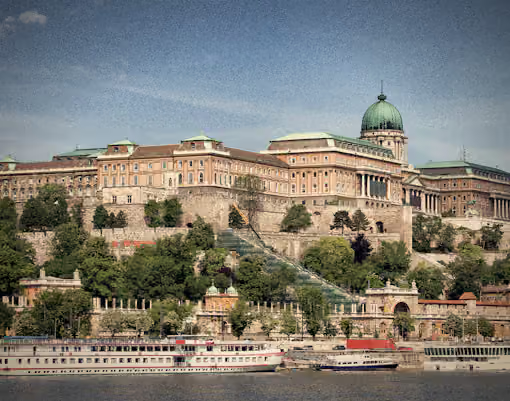
Layout and foundations
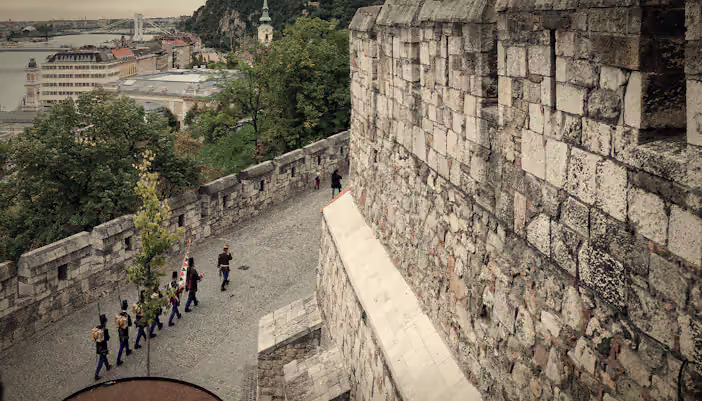
Older cellars and fortifications lie beneath the palace terraces. Different elevations, retaining walls, and lengthy views down the hill reveal these layers.
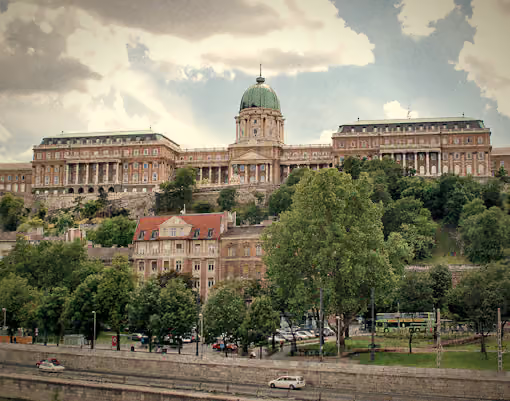
Exploring the site
Rather than seeing the entire castle at once, visitors pass through courtyards, gates, and ramps before reaching sudden, wide views across Pest.
Who was responsible for its construction?
Buda Castle took shape over several reigns. King Béla IV founded the first fortress after the Mongol invasion, and later rulers, including Sigismund and Matthias Corvinus, expanded it into a major royal residence. The hilltop palace was designed to defend Buda and project dynastic power.
The palace’s present character owes much to 19th-century architects Miklós Ybl and Alajos Hauszmann. They reshaped it for Habsburg ceremonies rather than medieval defense, giving it the scale and imperial presence of a formal palace.
Buda Castle within the Castle District
Visitors often use ‘Buda Castle’ to refer to the entire hilltop district. The palace complex, Matthias Church, Fisherman’s Bastion, museum interiors and open courtyards each have their own pace and ticket arrangements. Rather than limiting your visit to the palace rooms, explore the district on foot: its free outdoor viewpoints, paid cultural attractions and civic spaces form a lived-in royal neighborhood. Knowing what the name covers makes it easier to plan a rewarding visit.
Questions visitors often ask about Buda Castle
Should you visit Buda Castle?
Yes. It brings royal history, time in museums and Budapest’s best skyline views together in one stop. If you prefer a guide, book the Guided walking tour of Castle District before your visit.